Tourism in Isparta: Your Ideal Destination for an Enjoyable Vacation
Tourism in Isparta is a favorite destination for many travelers from around the world, thanks to its diverse and attractive sites.
Isparta is known for its serene and beautiful lakes, as well as distinctive caves and highlands that cover more than half of the Turkish city.
The city is also famous for its vast forests, which are ideal for climbing and fishing enthusiasts, and it is considered one of the best places for leisurely outdoor activities.
Top Tourist Attractions in Isparta
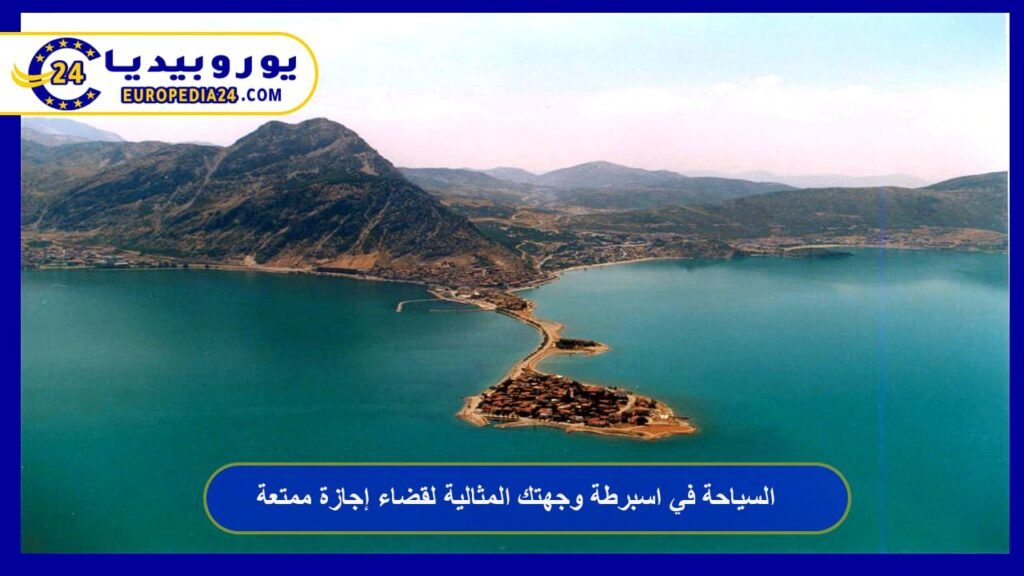
The Turkish city of Isparta features many famous tourist attractions that draw large numbers of visitors from around the world.
Some of the top tourist attractions in Isparta include:
Eğirdir Lake
Eğirdir Lake is one of the most famous tourist spots in Isparta, ideal for those seeking relaxation and tranquility.
The lake can be reached from the Aegean or Konya coasts via a connecting path, and it links two small islands in a setting filled with stunning natural scenery.
The lake is widely known internationally and is considered one of the most beautiful lakes in Isparta, Turkey.
Hızır Bey Mosque
Hızır Bey Mosque is one of the oldest and largest mosques in Isparta, also known as the Grand Mosque. Its construction dates back to 1328, at the beginning of the 14th century.
The mosque is notable for its attractive and unique design, featuring many wooden doors carved with intricate and detailed patterns.
It also includes a large stone gate decorated with blue tiles, along with the impressive and beautiful design of its minaret.
Davraz Ski Resort
Mount Davraz Ski Resort is one of Isparta’s most popular tourist destinations, especially in winter, attracting many visitors for various winter sports, primarily skiing.
The mountain is distinguished by its strategic location in the Mediterranean region and features about five lifts to easily transport visitors to and from the resort.
The winter sports area ranges in altitude from 1,650 meters to 2,150 meters, offering an adventurous and challenging experience with friends.
Zindan Cave
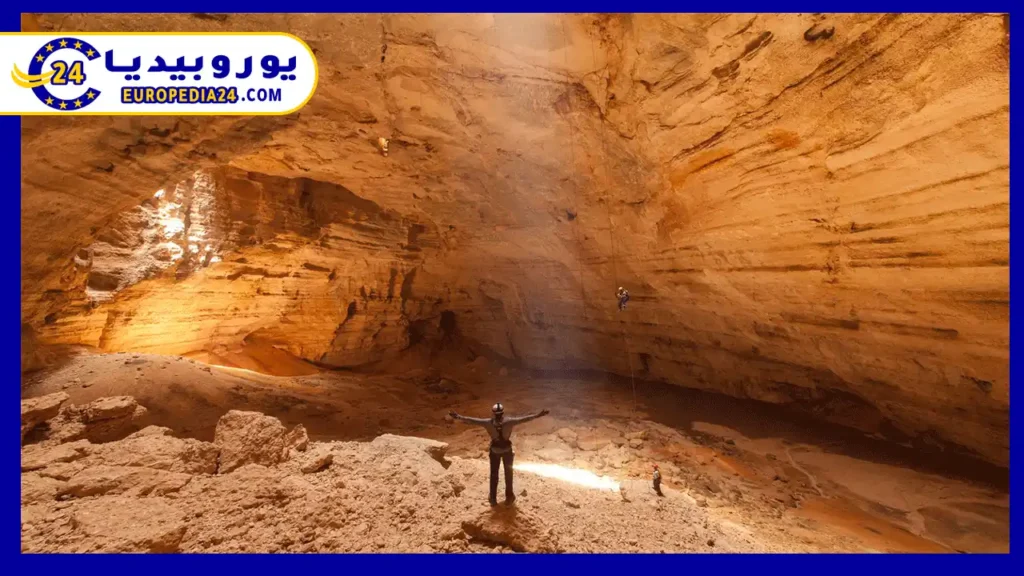
Zindan Cave is one of the most important tourist attractions in Isparta and is a must-visit destination.
The cave stretches approximately 765 meters and was discovered around 1,000 years ago. To reach the cave, visitors follow a narrow path alongside the river, with a Roman bridge extending across the river to the cave entrance.
It is essential to wear a hard hat to avoid injury, as the cave ceiling is low at the entrance.
Isparta Museum
For history enthusiasts, visiting the Isparta Museum is ideal. Built in 1935, it is one of the oldest museums in Turkey.
The museum consists of four halls housing rare artifacts that reflect the authenticity and heritage of Isparta, including the Archaeology Hall, the Poruk Hall, and the Carpet Hall.
Kuyucak Village
Kuyucak Village is one of the most beautiful tourist spots in Isparta, perfect for lovers of flowers and plants of all kinds.
The village features numerous lavender gardens with enchanting colors, which have contributed to the development of eco-tourism in Turkey for over 50 years.
It is strategically located on a high hill in the Taurus Mountains, surrounded by slopes protected by lavender plants, which extend among the village pathways.
Antiochia in Pisidia

Antiochia in Pisidia is strategically located in the Turkish Lakes region, perched on a hill at an altitude of 1,236 meters and approximately 100 miles north of the Mediterranean Sea.
The ruins were discovered in 1833 by Europeans, following the destruction that occurred in the early 18th century.
The city includes a temple, as well as a stadium, a theater, and other historical landmarks built over different periods.
Frequently Asked Questions About Tourist Attractions in Isparta
What are the most popular tourist attractions in Isparta?
Antiochia in Pisidia
Kuyucak Village
Isparta Museum
Zindan Cave
Davraz Ski Resort
Where is Kuyucak Village located?
Kuyucak Village is located in Isparta, Turkey, on a high hill in the Taurus Mountains, surrounded by slopes protected by lavender plants, which extend along the village pathways.
This post is also available in:
 العربية