Liechtenstein’s Economy and Job Opportunities
The country’s economy depends on many sources Investing in Liechtenstein Including services in general, especially financial services, in addition to agriculture.
We will present to you through Europedia 24 europedia24.com what is the economy within Liechtenstein, the most important sources on which the state depends, and the job opportunities available.
What is the economy of Liechtenstein?
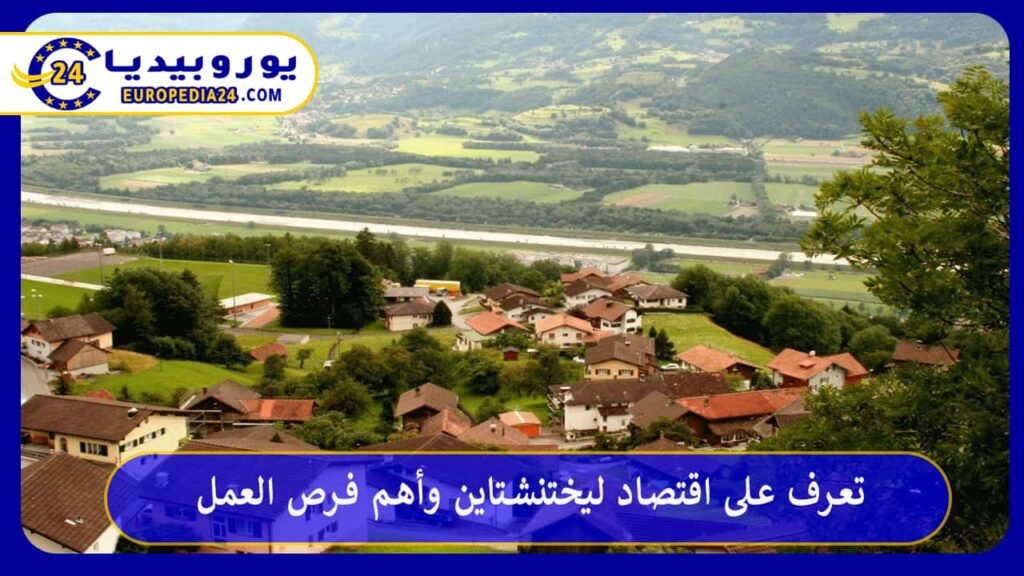
Liechtenstein shares a customs union with Switzerland, in addition to using the Swiss franc as its main currency.
The state depends on many services as sources of its economy, especially financial services and industry, in addition to reliance on agriculture.
Liechtenstein imports more than 85% of its energy needs, in addition to being a member of the European Free Trade Association since 1991.
Not only that, but Liechtenstein is also a member of the European Economic Area, in addition to its participation in the Schengen Agreement, which allows travel to all European countries without a passport.
Read also – How to apply Asylum in Liechtenstein and its most important conditions
Economic history of Liechtenstein
Liechtenstein signed a customs agreement with Switzerland that took effect in 1924, and the two sides began to open the border between the two countries.
The German villages of Bösingen am Hochrhein and the Italian village of Campione d’Italia formed part of this customs union, which began to be known as the Swiss customs district.
Swiss border police and customs officers are working to secure Liechtenstein’s border with Austria, where about 21 Swiss border guards and 20 other Austrian border guards are stationed in Liechtenstein.
Liechtenstein’s economy is considered one of the strongest economies, as it is a member of the European Free Trade Association, after its accession to the European Economic Area in 1995.
The capitalist economy and tax system in Liechtenstein is a safe and trustworthy place, and in the recent period the country has been able to witness great development at the economic and cultural levels.
Read also – What are the conditions for working in Liechtenstein and the most important professions required
Foreign trade in Liechtenstein
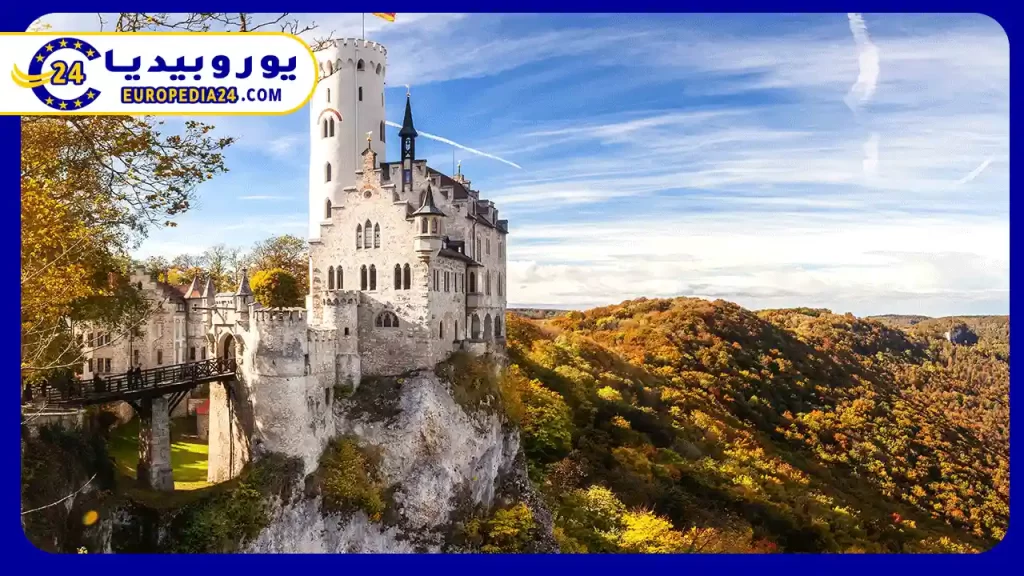
Foreign trade is an important and large part of Liechtenstein’s economy, with industrial exports more than doubling over the past 20 years.
The United States of America has recently become the most important export market for Liechtenstein, and Germany comes in second place.
As for Liechtenstein families, about 32% of them are allocated to research and development, which is among the reasons for the success of the Liechtenstein economy.
Read also – Learn about the conditions for investing in Austria and how to obtain residency
Banking and financial services in Liechtenstein
Liechtenstein’s economy is characterized by its strength, due to its dependence on many different services, especially financial and banking sources.
Liechtenstein is considered an important financial center, due to its specialization in financial services for foreign entities, in addition to the presence of many factors that helped attract funds from abroad, which are as follows:
- Low tax rate in Liechtenstein.
- Broad integration and corporate governance principles.
- Traditions of strict banking secrecy.
Industries in Liechtenstein
Although Liechtenstein’s economy relies more on public services, especially finance, industries are among the sources of the state’s economy.
Liechtenstein is involved in the manufacture of many different things in order to export to other countries and enhance the strength of Liechtenstein’s economy. The most important of these industries are the following:
- Electronics.
- Metal fabrication.
- Fabric.
- Ceramic.
- pharmaceutical.
- Food products.
- Micro Devices.
Read also – Learn about the types Investing in Belgium How to obtain residency
Tax system in Liechtenstein
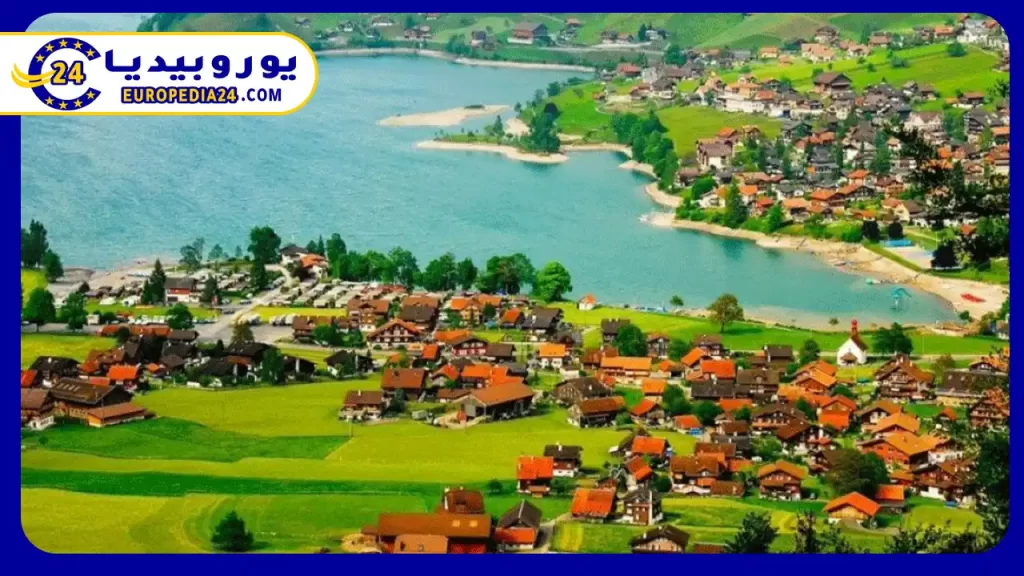
Liechtenstein is characterized by a very good and low tax system, which is one of the most important success factors that helped develop the country and increase the strength of Liechtenstein’s economy.
The government imposes a tax rate on individual income of up to 1.2%, in addition to amending the rate to impose an additional tax to reach about 17.82%, while the highest rate reaches a rate ranging between 18 to 20%.
Tourism in Liechtenstein
Tourism is also a source of Liechtenstein’s strong economy, due to its wonderful and scenic Best Tourist Places in Liechtenstein.
Despite its small area, it is very popular with tourists to see the wonderful, picturesque landscapes that capture eyes and hearts.
The most important tourist attractions in Liechtenstein are the following:
- The capital is Vaduz.
- Treasure room.
- Art Museum.
- Gothenburg Castle.
- National Museum.
- Numerous natural reserves.
This is not limited only to visiting the famous tourist places in Liechtenstein, but you can practice many different and distinctive activities, including skiing at the ski resort in Melbon.
Read also – What are the conditions for investing in Switzerland and its most important types?
Agriculture in Liechtenstein
Liechtenstein’s economy was heavily dependent on agriculture for a long period of time before it became dependent on financial industries and other resources.
The state relied on agriculture and livestock grazing, in addition to making use of dairy products, meat, and livestock hides.
But the citizens of Liechtenstein did not prefer to work in agriculture and sheep herding, so a large number of citizens began to leave for Austria or Switzerland.
The most important professions in demand in Liechtenstein
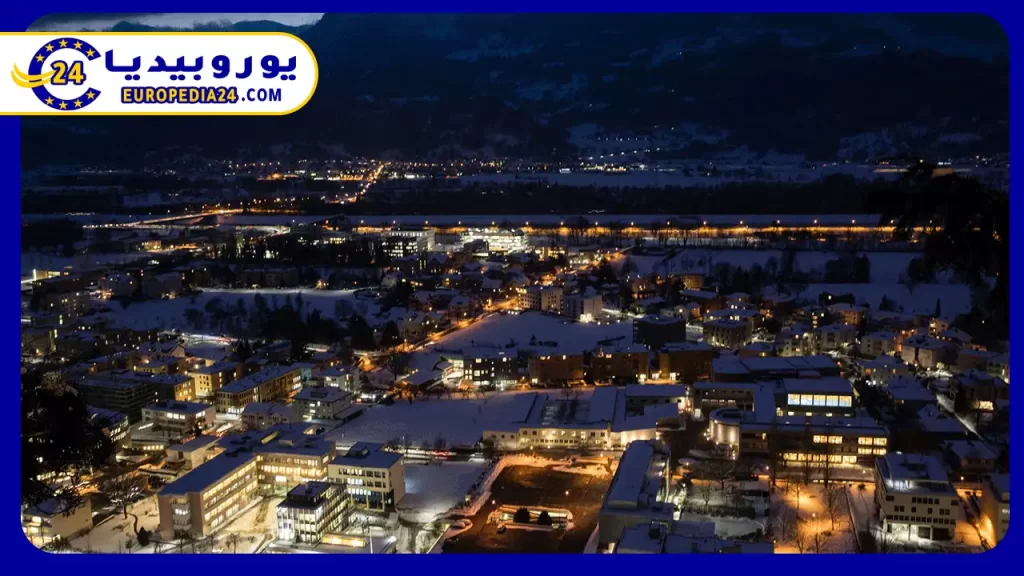
Due to the strength of Liechtenstein’s economy and the provision of a good standard of living for all citizens, the country also provides many distinctive job opportunities that suit all workers’ skills. The most important professions in demand in Liechtenstein are as follows:
- accountant.
- structural engineer.
- lawyer.
- cashier.
- a cook.
- Civil engineer.
- Computer engineer.
- dentist.
- programmer.
- Electrical engineer.
- Teacher.
- Human Resources Manager.
- Mechanical engineer.
- nurse.
- pharmaceutical.
Read also – What are the terms and features Investing in Türkiye?
Geographical location of Liechtenstein
Looking at the map of Liechtenstein, we will find that it is located in the Rhine Valley in the Alps, where the Rhine River forms its western border, and as for the eastern part, it is located at a great altitude, which reaches 2599.
Due to the country’s lack of many natural resources, it is forced to resort to importing about 90% of its needs for energy only.
But despite some problems and the small area, Liechtenstein was able to achieve significant and tangible development at the cultural and economic levels, as well as providing a good standard of living for citizens.
The Principality of Liechtenstein is divided into about 11 municipalities, and each municipality includes only about one city, as Liechtenstein is considered an internal state in central Europe.
As for its borders, we will find Austria in the east, while Germany is in the north, Switzerland is in the west, and finally Italy is in the south. With an area of 160 square kilometers, the country is the third smallest country in Europe.
Read also – Learn about the best ways to invest in Luxembourg and its most important conditions
FAQ about the economy of Liechtenstein
Who is Liechtenstein’s per capita income?
The individual in Liechtenstein receives the highest income despite the small area of the country, as the average per capita income is about 98,432 dollars. This is due to the strength of the state’s economy, which depends mainly on the services sector, especially finance, in addition to industry, but agriculture no longer represents a major force in the economy.
Is Liechtenstein considered a rich country?
Despite its small area, Liechtenstein is considered one of the richest countries, based on the measurement of gross domestic product per capita. It is also the only country located entirely in the Alps, in addition to its strong economy and the presence of the most famous picturesque tourist places.
This post is also available in:
 العربية
  简体中文
简体中文  Hrvatski
  Nederlands
  Suomi
Suomi  Français
  Deutsch
  Íslenska
  Gaeilge
  Italiano
  日本語
日本語  한국어
한국어  Polski
  Română
  Русский
  Español
  Türkçe