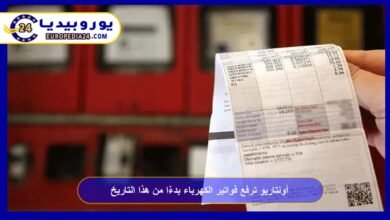
Increase in Belgium’s Social Electricity Tariff Starting in April
According to the Federal Energy Regulatory Commission (CREG), the social electricity tariff will rise by approximately 9% in the second quarter of 2026 compared to the rates applied in the previous three months.
What Are the New Electricity Prices in Belgium?
Official data indicate that the standard electricity tariff will reach about €0.24795 per kWh, including VAT.
Increases will also apply to the dual-rate tariff, with prices in Belgium as follows:
- Daytime: €0.24795 per kWh
- Nighttime: €0.22836 per kWh
The exclusive night tariff will rise to around €0.19245 per kWh, resulting in a direct increase in household bills for beneficiaries of this system.
Decrease in Social Gas Prices
On the positive side, the new adjustments include a reduction in social natural gas prices, with a 4.9% decrease expected during the same period.



As a result, the social gas price will stabilize at around €0.04514 per kWh, reflecting a relative decline in gas prices in reference markets.
Who Benefits from the Social Tariff?
Belgium’s social tariff is designed to support the most vulnerable groups, primarily including:
- Low-income families.
- Recipients of social assistance.
- Certain groups receiving special government support.
This tariff is applied uniformly across all energy providers in Belgium, ensuring that beneficiaries receive the same rates regardless of their supplier.
Quick reader summary
Authorities in Belgium have announced a new increase in the social electricity tariff, effective from April 1, as part of the quarterly review of energy prices. This update matters to residents in Germany and readers following social, transport or public-service decisions because it may affect planning, travel, public-service use or the next practical step a reader should take.
Why this update matters
The value of this story is not only the headline. Readers need to know who may be affected, whether the measure is final or still developing, and where to check the official version before acting on it.
What to do now
- Check the federal or state-level source because implementation may vary by region.
- Confirm eligibility and dates before applying for support or changing a financial decision.
- Follow official clarifications if the story concerns a proposal or political discussion rather than a final rule.
Official sources to check
- German Federal Government
- The relevant ministry, state authority or local office
Frequently asked questions
Does this mean the measure is already in force?
Not always. Some stories report a measure already being applied, while others describe a proposal, transition period or expected change. Always check the implementation date in the official source.
Can I rely on this article alone for a legal, travel or financial decision?
No. This article is intended to explain the news context and practical implications, but it does not replace official guidance or qualified professional advice when the issue affects your legal status, booking or finances.
Editorial note: This update was editorially reviewed on July 11, 2026, with practical verification points added to help readers check the official source before taking action.
This post is also available in:
 العربية