New Immigration Rules in Canada: A Comprehensive Guide for Prospective Settlers
At the start of the new year, the Canadian government announced significant updates to its immigration policies aimed at meeting labor market needs, supporting population growth, and balancing economic and humanitarian immigration, making Canada a preferred destination for migrants seeking a better future.
We will explain Canada’s new immigration rules, highlight the key changes relevant to prospective immigrants from Arab countries, and provide a simple overview of programs, requirements, and in-demand professions.
Why Did Canada Change Its Immigration Rules?

Canada relies heavily on immigration to support its economy, and official statistics indicate that a large portion of the population is approaching retirement, with a severe shortage of skilled labor in several sectors, while some provinces are struggling with declining populations.
Therefore, the new amendments are designed to be more flexible and selective, focusing on skills that are actually needed in each province.
What Are the Key Changes in Canada’s New Immigration Rules?
The changes in Canada’s new immigration rules include:



Occupation-Based Selection System
The most significant change in Canadian immigration policies is the adoption of a new selection system within the Express Entry program. The evaluation is no longer based solely on points but also on specific occupational categories.
The most in-demand categories include:
- Healthcare workers (doctors, nurses, specialists)
- Technical professions and information technology jobs
- Skilled tradespeople (electricians, plumbers, carpenters)
- Education and early childhood
- Agriculture and food supply chains
This new change helps provide higher opportunities for candidates with practical experience, even if their CRS points are moderate.
Updates to the Express Entry Program Requirements
Although the points-based system remains in place, the new amendments to Canada’s immigration law include:
- Increased emphasis on Canadian work experience
- Priority given to candidates who speak French
- Greater flexibility in language requirements for certain occupations
This means that language proficiency alone is no longer the decisive factor as it once was.
Strengthening the Provincial Nominee Programs (PNP)
The Canadian government has granted provinces broader powers to select immigrants based on their specific needs. The key advantages of the updated PNP include:
- Faster processing
- Less complex requirements compared to Express Entry
- Strong opportunities for those with a local job offer
The preferred provinces for new immigrants are Ontario, Alberta, and Saskatchewan.
Changes in International Student Immigration

Under Canada’s new immigration rules, international student policies have been updated as follows:
- Setting an annual cap on study permits
- Tighter oversight of educational institutions
- Greater facilitation for transitioning from study to permanent residency in in-demand fields
These amendments aim to improve the quality of educational immigration and better link it to the labor market.
Updates to Family Reunification
Canada remains committed to family reunification programs, with some new adjustments including:
- Reduced waiting times
- Faster processing for spouses and children
- Improving the Parent and Grandparent Care Program
What Are the Most In-Demand Occupations in Canada Under the New Rules?
The most in-demand occupations in Canada under the new immigration rules include:
- Nurses and doctors
- Software developers and data analysts
- Truck drivers
- Electricians
- Early childhood educators
- Construction workers
Choosing a profession from the most in-demand occupations helps increase the chances of having an immigration application to Canada approved.
Are the New Rules Suitable for Arab Immigrants?
The new Canadian immigration rules are well-suited for Arab immigrants, providing real opportunities, especially for those with genuine work experience or a moderate to good level of English or French.
These rules are also suitable for individuals working in technical or skilled trades, and some programs do not require a prior job offer.
What Are the Steps to Immigrate to Canada Under the New Rules?
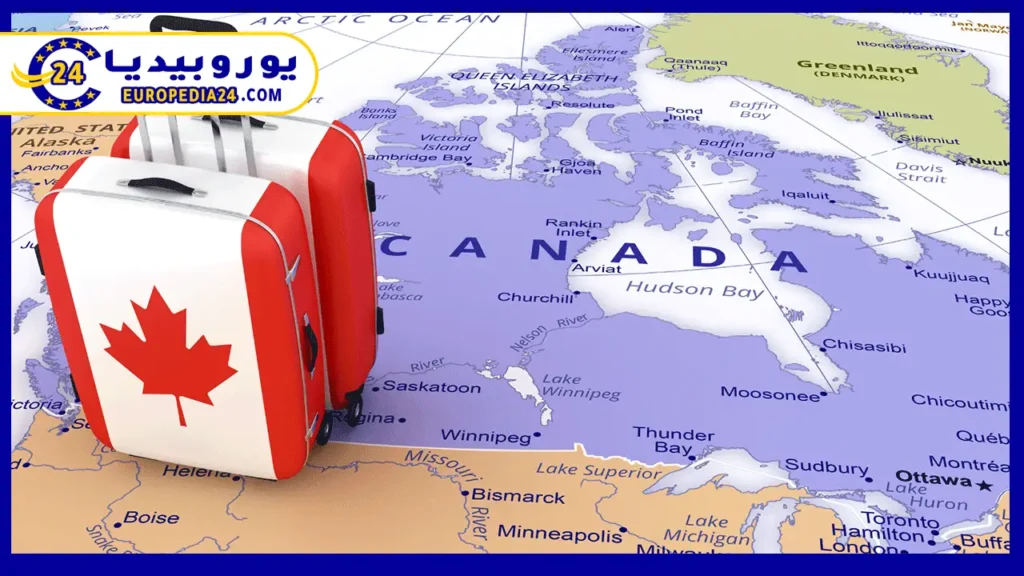
The steps to prepare for immigration to Canada under the new rules include:
- Educational Credential Assessment (ECA)
- Improve your level of English or French
- Choose the appropriate program from the various immigration programs
- Regularly follow updates from the provinces
- Prepare a strong professional portfolio
Frequently Asked Questions About Canada’s New Immigration Rules
Has the points-based system been abolished under Canada’s new immigration rules?
No, the points-based system is still in place, but a new occupation-based selection system has been added under the new immigration rules.
Is it possible to immigrate without a job offer under Canada’s new immigration rules?
Yes, many programs do not require a job offer, especially the Express Entry program.
Short answer for search intent
Canada’s new immigration rules are a major focus for thousands of people wishing to immigrate from around the world, especially Arabs seeking job opportunities, education, and safe settlement. In practical terms, this guide helps readers understand the topic in Canada and what should be verified before taking action.
How to use this information with confidence
The value is not only the information itself. It is connecting the information to the next practical step: booking, applying, comparing costs, checking a legal rule or verifying an official source.
Checks before making a decision
- Identify the exact legal pathway: study, work, residence, asylum, family or regularization.
- Use the official version of forms and appointment rules before submitting an application.
- Seek qualified advice if the decision affects an existing legal status or pending case.
Official and reliable references
Frequently asked questions
Yes. Many practical details can differ by city, institution, route or application type, so verify the source responsible for your exact situation.
Can I rely on this article alone?
The article helps you understand the context and take a more informed step, but it does not replace official guidance or specialist advice for legal, financial or study decisions.
Editorial note: This content was editorially reviewed on July 11, 2026, with clearer search-intent answers, official references and practical verification points added.
This post is also available in:
 العربية