The Agora Ruins Museum in Izmir: One of the Strangest Museums in Turkey
The museum is regarded as one of the most important historical and archaeological landmarks in Izmir, and one of Turkey’s major tourist attractions.
The Agora Ruins Museum in Izmir, Turkey
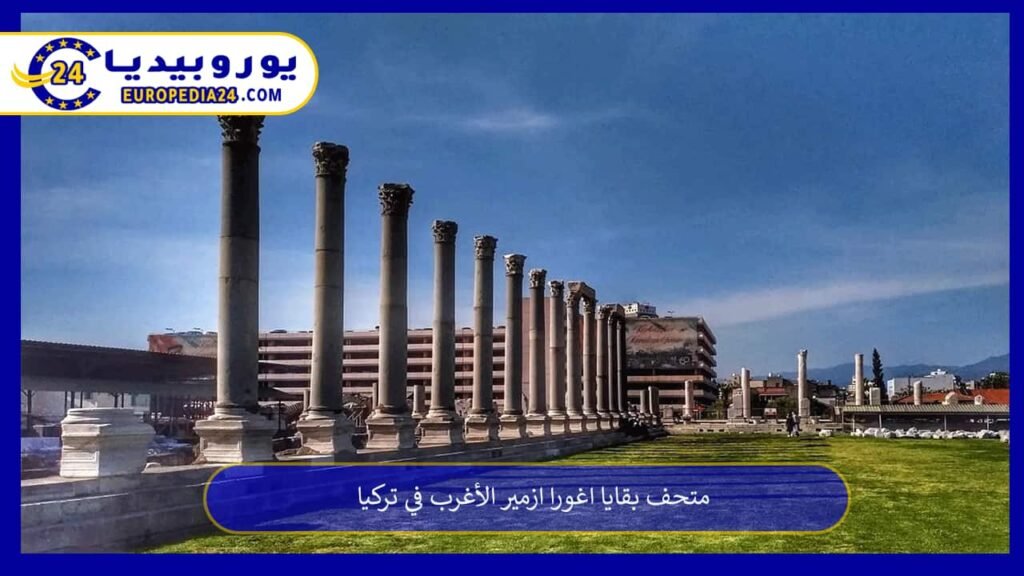
The Agora Ruins Museum in Izmir is distinguished by its strategic location in Turkey, as it is situated in the heart of Izmir city in an open-air setting, specifically in the Namazgah neighborhood on Tarik Sari Street No. 29.
The museum dates back to the 4th century BC and is considered one of the most famous historical and archaeological sites in the Turkish city.
The Agora Ruins Museum consists of three main levels and is characterized by its construction on arches and columns dating back to the Roman era.
The Izmir Agora originally served as a governmental site designated for political meetings and public courts. It also features numerous statues and sculptures, in addition to archaeological remains that reflect the nature of life during that period.



How to Reach the Agora Ruins Museum in Izmir
The Agora Ruins Museum enjoys a strategic location in the Turkish city of Izmir, making it easily accessible through various means of transportation, including:
- Taking a taxi to reach the museum more quickly, with a travel time ranging from 10 to 15 minutes and a cost of up to 40 Turkish lira.
- Using public buses, which are the most affordable means of transportation in Turkey, to reach the museum within 15 to 20 minutes at an estimated cost of around 4 Turkish lira.
- Walking to the museum on foot at no cost at all, with a journey time of approximately one hour.
Exhibits of the Agora Ruins Museum in Izmir
The Agora Ruins Museum in Izmir houses many historical artifacts dating back to the Ottoman and Greek eras, including:
- Islamic tombs
- Numerous palaces
- Temples and rock-cut houses
- Greek statues representing ancient Greek gods
- Columns engraved with various Greek inscriptions
Top Activities at the Agora Ruins Museum in Izmir, Turkey
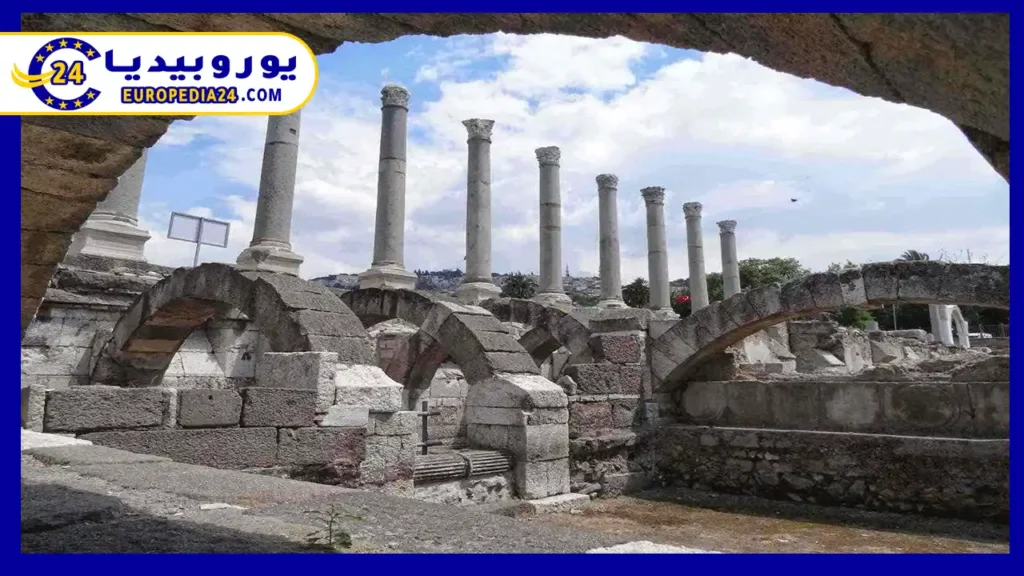
The Turkish Agora Ruins Museum in Izmir is one of the best and most famous museums in Turkey, where you can enjoy a variety of activities to make your visit a memorable experience.
The main activities you can do at the Agora Ruins Museum in Izmir include:
- Take a quick tour of the museum to explore its floors and sections
- View the historical artifacts that reflect life during that period
- See the famous statues of Poseidon and Demeter at the museum
- Observe the writings and inscriptions on the walls of the museum
- Explore the ancient sewer systems of Izmir that were used during that era
- Examine the stone relics that have survived from that time
- Enjoy meals or light snacks at the restaurants near the Agora Ruins Museum in Izmir
- Visit the Clock Tower located near the Agora Museum, just 8 minutes by car or 13 minutes on foot.
Visiting Hours of the Agora Ruins Museum in Izmir, Turkey
The Agora Ruins Museum in Izmir welcomes visitors daily from 8:00 AM to 5:00 PM.
The museum remains open throughout the week, allowing visitors from around the world to explore it at any time.
Admission Prices to the Agora Ruins Museum in Turkey
The admission fees to the Agora Ruins Museum in Turkey are affordable for all visitors, estimated at around 10 Turkish lira.
Children under the age of six can enter the museum for free without paying any fees.
Top Hotels Near the Agora Ruins Museum in Turkey
The Agora Ruins Museum in Izmir is conveniently located near many well-known hotels that accommodate tourists from around the world.
The most popular hotels near the Agora Ruins Museum in Izmir include:
- Yayla Hotel
- Hotel Kai
Top Tourist Attractions Near the Agora Ruins Museum in Izmir, Turkey
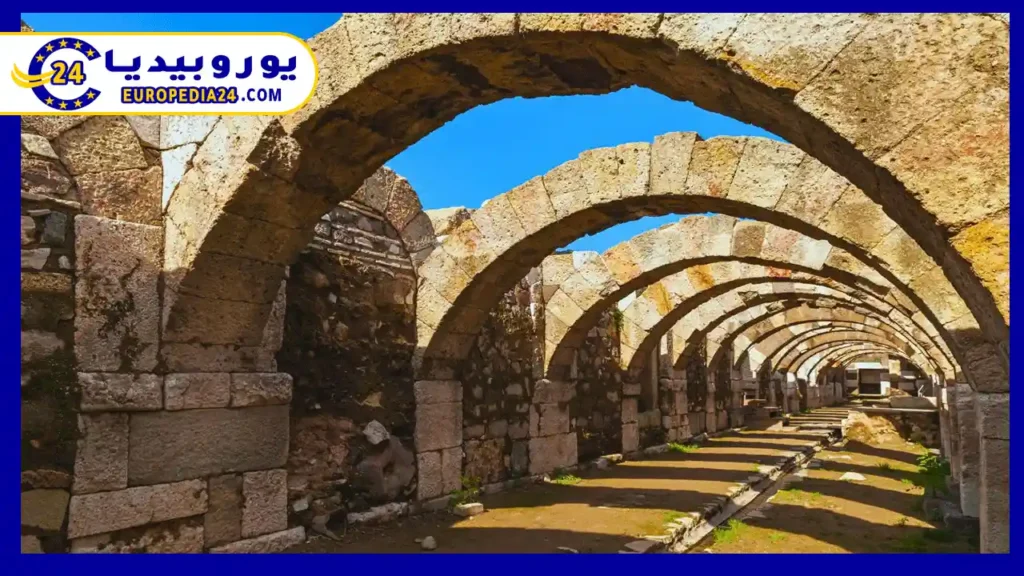
After enjoying your visit to the Agora Ruins Museum in Izmir and exploring its unique artifacts, you can also visit nearby tourist attractions.
The most popular attractions near the Agora Ruins Museum in Izmir include:
- Clock Tower
- Konak Square
- Konak Mosque
- Historical Izmir Elevator
- Car Museum or Key Museum
- Optimum Izmir Mall
- Berlanta Beach
Frequently Asked Questions About the Agora Ruins Museum
When can I visit the Agora Ruins Museum in Izmir?
You can visit the Agora Ruins Museum in Izmir daily from 8:00 AM to 5:00 PM.
How can I reach the Agora Ruins Museum in Izmir?
You can reach the Agora Ruins Museum in Izmir using various methods, including taking a taxi or a public bus, which is the cheapest option. You can also walk to the museum, though the journey may take up to an hour.
Short answer for search intent
The Agora Ruins Museum in Izmir is considered one of the strangest museums in Turkey, as it is uniquely located outdoors in the heart of the city. In practical terms, this guide helps readers understand the topic in Turkey and what should be verified before taking action.
How to use this information with confidence
The value is not only the information itself. It is connecting the information to the next practical step: booking, applying, comparing costs, checking a legal rule or verifying an official source.
Checks before making a decision
- Check the official place or city website for hours, prices and seasonal changes.
- Compare the location with transport and nearby accommodation so the visit does not cost more than expected.
- Use visitor reviews as context, but verify bookings and policies through official channels.
Official and reliable references
Frequently asked questions
Yes. Many practical details can differ by city, institution, route or application type, so verify the source responsible for your exact situation.
Can I rely on this article alone?
The article helps you understand the context and take a more informed step, but it does not replace official guidance or specialist advice for legal, financial or study decisions.
Editorial note: This content was editorially reviewed on July 11, 2026, with clearer search-intent answers, official references and practical verification points added.
This post is also available in:
 العربية