Requirements for Studying Engineering in Italy and the Most Important Specializations
Studying engineering in Italy attracts strong interest from students seeking to continue their education abroad.
Italy is home to many internationally renowned universities that offer a wide range of disciplines, including engineering programs.
Students can find numerous attractive job opportunities after graduating from Italian universities.
Advantages of Studying Engineering in Italy

The advantages of studying engineering in Italy include the following:
- A wide variety of engineering specializations to choose from.
- The availability of many universities specialized in engineering and other academic fields.
- The option to study in English or Italian, depending on the chosen program.
- The possibility of studying engineering in Italy without the need to take an entrance exam.
- The opportunity to find many job opportunities after completing an engineering degree in Italy.
Requirements for Studying Engineering in Italy
The requirements for studying engineering in Italy include:
- Completion of 12 years of basic education to be eligible to study engineering in Italy.
- Meeting the minimum required grades in the university entrance exam.
- Passing the TOLC-I or TIL-I exams to study various engineering disciplines.
- Having at least a B2 level in the Italian language.
- To study engineering in Italy in English, obtaining a TOEFL or IELTS certificate with a minimum level of B2 is required.
- Passing the admission test of the university you wish to enroll in.
Engineering Specializations in Italy
Italian universities offer a wide range of engineering specializations suitable for all students, allowing them to choose the field they wish to study.
The most important engineering specializations available in Italian universities include:
- Telecommunications Engineering.
- Civil Engineering
- Aerospace Engineering.
- Mechanical Engineering
- Chemical Engineering.
- Electrical Engineering
- Industrial Engineering.
- Biomedical Engineering.
- Computer Engineering.
Universities also offer many courses in various engineering specializations to obtain a diploma, including the following:
- Mechanical Engineering
- Electronics Engineering.
- Computer Engineering.
- Chemical Engineering.
- Electrical Engineering
Duration of Studying Engineering in Italy
The duration of studying engineering in Italy is approximately 3 years, while obtaining a master’s degree requires 5 years, allowing the student to graduate as a chief engineer.
Students can stay for an additional year after graduation if they find a job during this period, enabling them to remain and settle in Italy.
Best Universities to Study Engineering in Italy
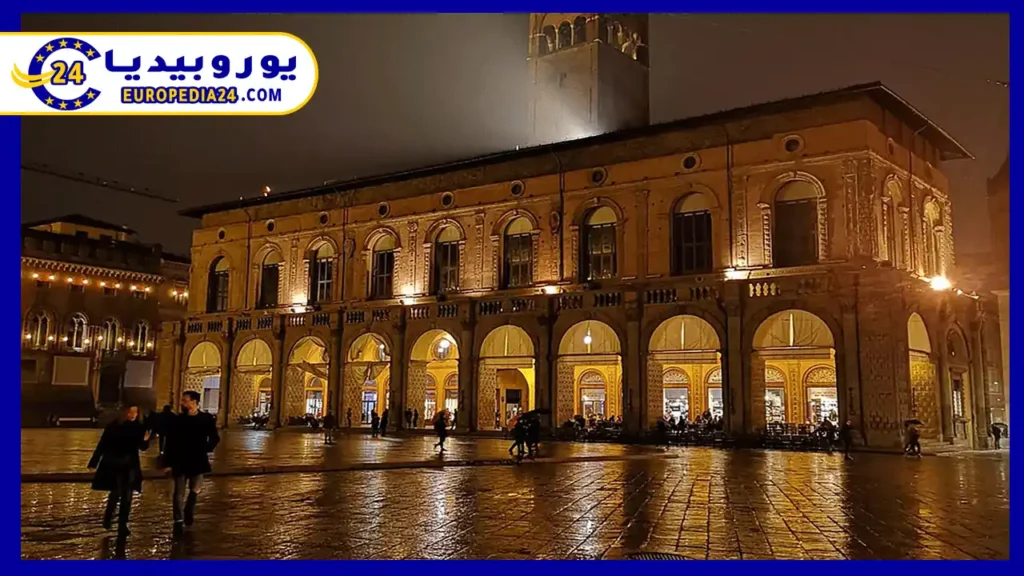
Italy is home to many universities offering engineering programs across various specializations, including the following:
- Sapienza University of Rome.
- University of Bologna.
- Politecnico di Torino.
- University of Trento.
- University of Padua.
- University of Pisa.
- University of Naples.
- University of Salerno Baronissi.
Cost of Studying Engineering in Italy
The cost of studying engineering in Italy varies from one university to another, depending on the chosen program, but generally ranges from €1,500 to €12,000 per year.
In some cases, Italy provides scholarships and financial aid for eligible students.
Top Scholarships for Studying Engineering in Italy
Italy offers a range of scholarships for students wishing to study engineering in the country, including the following:
- Italian Ministry of Foreign Affairs Scholarship offered through the Scholarships for Foreigners and Italians Abroad program, covering tuition, accommodation, and living expenses.
- Erasmus scholarships funded by the European Union, providing opportunities for international students wishing to study engineering in Italy, including financial support for living and travel expenses.
- Scholarships from Italian universities based on academic merit.
- Politecnico di Milano scholarships, including the Politecnico International Scholarships and the Giovedì Science Scholarship.
- University-specific scholarships covering tuition fees as well as financial support for living expenses.
- Scholarships from private institutions and organizations, including EDISU Piemonte grants.
Frequently Asked Questions about Studying Engineering in Italy
How long does it take to study engineering in Italy?
The duration of studying engineering in Italy is approximately 3 years, while obtaining a master’s degree requires 5 years, allowing the student to graduate as a chief engineer.
What are the best universities to study engineering in Italy?
Sapienza University of Rome.
University of Bologna.
Politecnico di Torino.
University of Trento.
University of Padua.
Short answer for search intent
Studying engineering in Italy attracts strong interest from students seeking to continue their education abroad. In practical terms, this guide helps readers understand the topic in Italy and what should be verified before taking action.
How to use this information with confidence
The value is not only the information itself. It is connecting the information to the next practical step: booking, applying, comparing costs, checking a legal rule or verifying an official source.
Checks before making a decision
- Compare the article with the university or official education source before paying fees.
- Check language, funding and deadline rules for the exact program, not only for the country in general.
- Keep a separate document checklist so study requirements do not get mixed with visa requirements.
Official and reliable references
Frequently asked questions
Yes. Many practical details can differ by city, institution, route or application type, so verify the source responsible for your exact situation.
Can I rely on this article alone?
The article helps you understand the context and take a more informed step, but it does not replace official guidance or specialist advice for legal, financial or study decisions.
Editorial note: This content was editorially reviewed on July 11, 2026, with clearer search-intent answers, official references and practical verification points added.
This post is also available in:
 العربية