
Asylum in Switzerland: Procedures, Advantages and Disadvantages
Proof must be provided to the responsible authorities when a person is subjected to such persecution, because this is the basic condition for initially accepting an asylum application.
There are two main types of asylum within Switzerland. The first is primary asylum, which is granted to people who prove that they have been subjected to persecution, while secondary asylum is for people who cannot return to their homeland but were unable to prove that they were exposed to danger.
Advantages of asylum in Switzerland

Refugees in Switzerland get many advantages, including:
- It provides many free educational programs in order to master the language and integrate into society.
- Covering all medical needs of refugees.
- Possibility of obtaining many unique job opportunities.
- Providing fixed asylum stipends in Switzerland for refugees of up to $3,500.
- Providing safety and protection for all refugees in the country.
Disadvantages of asylum in Switzerland
The disadvantages of asylum in Switzerland are as follows:
- Tightening of asylum procedures due to the increase in the number of refugees in recent years.
- Working conditions are somewhat difficult for refugees.
- Living in specific places within the country is one of the most important disadvantages of asylum in Switzerland that worry refugees.
- Difficulty integrating into Swiss society.
- Increased numbers of refugees in shelters.
The documents required to apply for asylum in Switzerland
The documents required to apply for asylum in Switzerland are as follows:



- A valid passport.
- Personal photos.
- A document confirming that a person has been subjected to a form of persecution in the home country.
- Submit an asylum application signed by the applicant.
Steps for applying for asylum in Switzerland
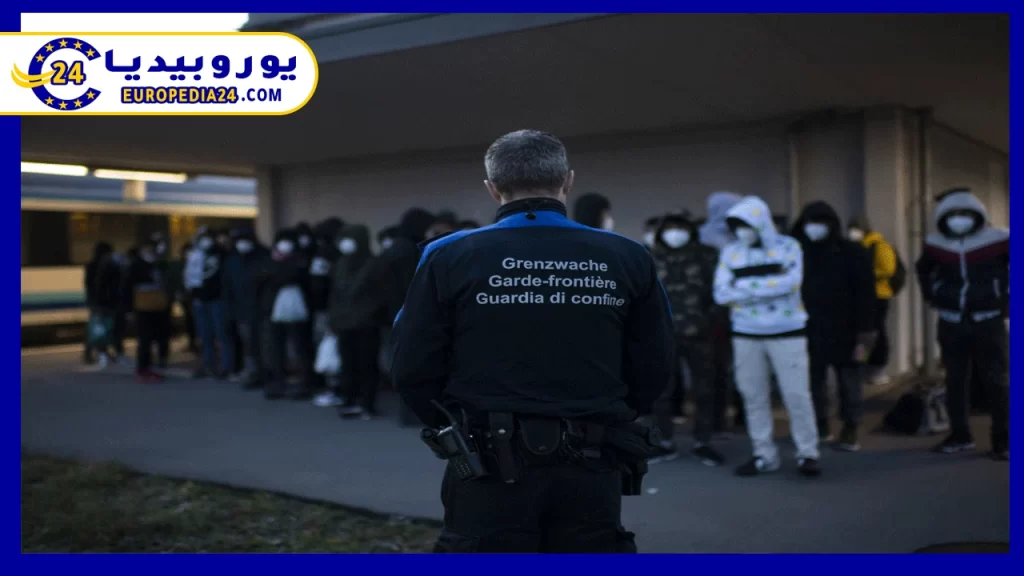
The steps for applying for asylum in Switzerland include the following:
- Submit the required papers at the specialized offices in Switzerland, at the border, or at the airport.
- Taking the applicant’s fingerprints to confirm whether he is seeking asylum in another European Union country.
- The person undergoes a medical examination and the passport is confiscated.
- Appointing a legal representative for every person claiming asylum in order to guarantee their rights within the country.
- Conducting an interview to investigate the reasons for seeking asylum, with the right to request an interpreter in the event of lack of proficiency in the language.
- Determine the second interview after passing the first, which is more accurate.
- Waiting to receive a final response within a period not exceeding 6 months.
Acceptance and rejection of an asylum application in Switzerland
If your asylum application is rejected in Switzerland, the competent authorities will send a warning to the applicant informing him of the need to leave Switzerland within a period ranging from 3 days to 6 months.
If approval is obtained, the applicant will be sent to accommodation centers, in order to complete the remaining procedures related to asylum within the country, and begin disbursing asylum salaries in Switzerland to their owners.
In some cases, the asylum seeker has the right, in the event of rejection, to file an appeal against the application, with the reasons for the rejection corrected, but in the event of another rejection, he will be immediately deported from Switzerland.
Cases of rejection of an asylum application in Switzerland are as follows:
- Possessing a Schengen visa.
- Lack of basic conditions for seeking asylum.
- When applying for asylum in another country based on the Dublin Agreement.
Asylum centers in Switzerland
There are many asylum centers in Swiss cities that receive asylum seekers after approving the submitted application. These centers are as follows:
- Asylum centers in Zurich: The largest centers in Switzerland provides support to all refugees, including accommodation, living, education, and health care.
- Asylum centers in Geneva: It seeks to meet all the needs of refugees, including temporary residence, while providing psychological and social support to promote social integration.
- Asylum centers in Bern: The center meets all basic needs, including food, housing, and health care services.
Work conditions for asylum seekers in Switzerland
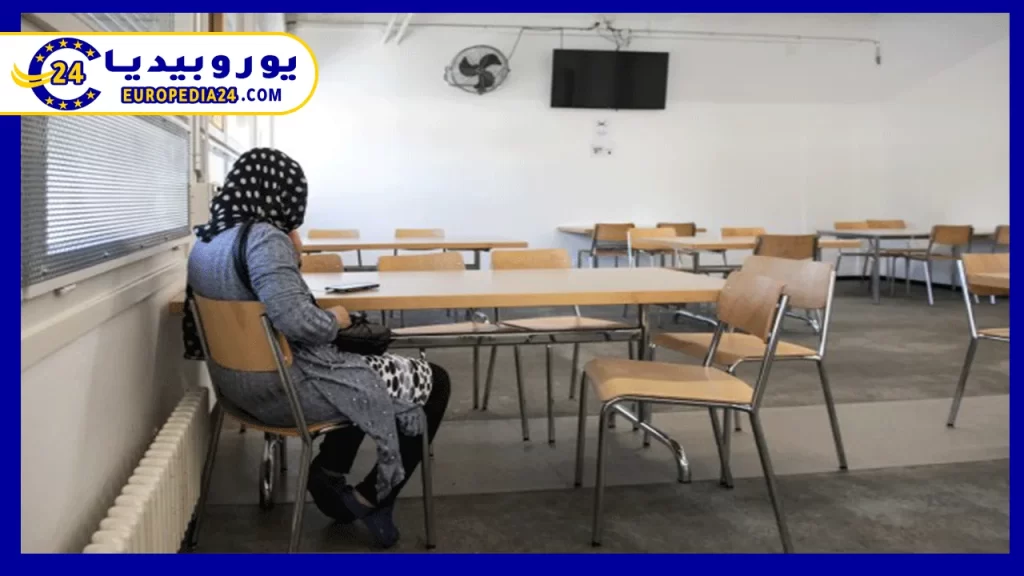
More than 3 months must have passed since the date of the asylum application in order for asylum seekers to be allowed to work and receive asylum salaries in Switzerland on a fixed basis, with the minimum salary being $3,500.
The refugee is subject to the union’s rules for the job he works in, provided that the salary is determined by agreement between him and the employer, with the government receiving ten percent of his salary in exchange for the financial aid it provides.
Salaries in Switzerland for refugees
Salaries in Switzerland for refugees vary from person to person, based on many different things. Asylum seekers receive basic financial support to cover their needs, which starts from a thousand francs per month.
Refugees recognized by Switzerland receive B residence permits and are allowed to work. Salaries in Switzerland for refugees vary based on qualifications.
Switzerland is known for its generally high salaries, although it varies from one refugee to another, with the average total salary reaching 5,500 Swiss francs, but of course it is affected by taxes and high costs of living.
Frequently asked questions about asylum in Switzerland
Is it possible to work during the asylum application period in Switzerland?
It is difficult to work in Switzerland while waiting for a response to your asylum application, but once you obtain permission and approval you can work within the country.
How long does it take to process an asylum application in Switzerland?
The processing time for an asylum application in Switzerland varies from one person to another, but may reach a maximum of 6 months.
A concise answer based on search intent
Asylum in Switzerland is the way in which people who are exposed to various types of persecution in their home country seek refuge, so they turn to Switzerland in order to seek protection and safety. In short: This guide helps you understand the topic in Switzerland, explaining what to check before making a practical decision.
How to use this information with confidence
The value here is not only in displaying information, but in linking it to an actionable step: Do you need to make a reservation, submit an order, compare a cost, review a legal requirement, or confirm with an official body? So we added verification points and direct sources that reduce the possibility of error.
Checks to make before deciding
- Determine the legal path carefully: study, work, residence, asylum, or family reunification.
- Review the official version of the forms and deadlines before submitting any application.
- Consult a professional if the decision affects an existing legal situation or a file under review.
Official sources and trusted references
Frequently asked questions
Do the details differ within Switzerland from one city or destination to another?
Yes, many practical details may differ depending on the city, institution, or type of request, so you must refer to the source responsible for your specific case.
Can you rely on this article alone?
The article helps you understand the picture and take a more conscious step, but it does not replace the official source or specialized advice if the decision is legal, financial, or academic.
Editorial note: This content was editorially revised on July 11, 2026 to add a clearer answer to the researcher’s intent, authoritative sources, and practical checkpoints that enhance trust and expertise.
This post is also available in:
 العربية
