Working in Germany: The Complete Guide to Requirements, Salaries, and In-Demand Professions
This path is driven by comprehensive legal and historic reforms officially introduced by the German government to facilitate the immigration of skilled workers and reduce traditional bureaucratic barriers.
In this guide, we will take you through every aspect of professional life in Germany, from salary updates and the minimum wage to the most in-demand professions and innovative legal pathways for entering the country, providing you with a complete reference before making your decision to relocate.
Strategic Advantages and New Legal Reforms for 2026
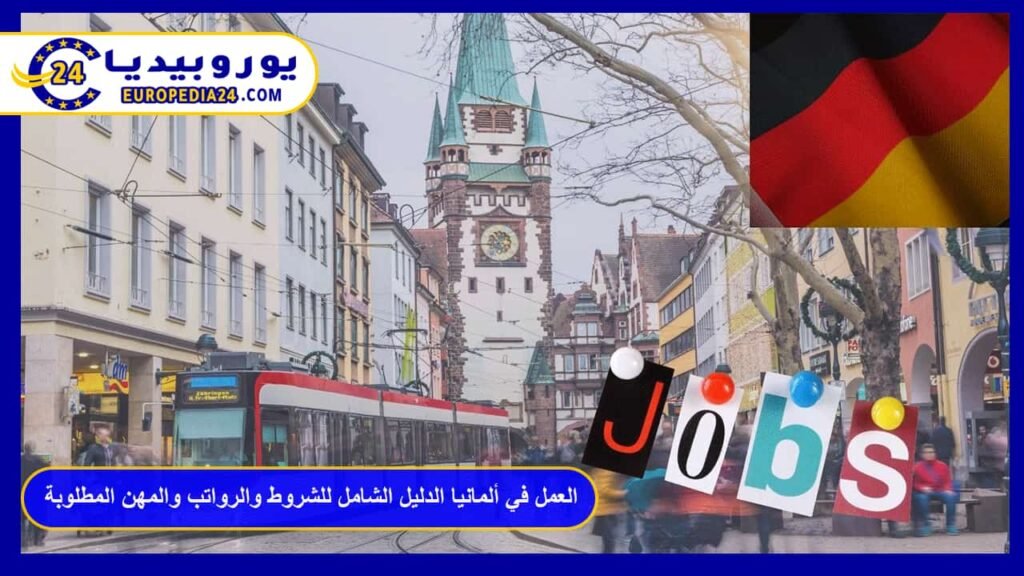
When discussing the advantages, the working environment in Germany offers a unique level of stability that strictly protects employees’ rights.
The benefits of working in Germany are not limited to immediate financial rewards, but also extend to long-term job and social security. In 2026, a package of flexible laws came into effect to address the severe labor shortage. The most notable current advantages include the following:
- Easier access to dual citizenship: The new law has officially come into force, allowing foreign residents to apply for German citizenship after only five years of residence and employment (and in exceptional cases after just three years), without having to renounce their original citizenship.
- Employment protection and job security laws: Employees enjoy strong legal protection against unfair dismissal, along with mandatory unemployment insurance that guarantees 60% of their previous salary if they lose their job due to unforeseen circumstances.
- Work-life balance: Germany enforces strict regulations that prioritize rest periods and paid annual leave of at least 20 to 30 working days per year, while strictly observing legal working hour limits.
Requirements for working in Germany and legal pathways
Obtaining a legitimate entry visa is the most important legal step for a successful journey to work in Germany, as it requires understanding the available visa pathways for 2026.



The process is no longer limited to the traditional and complex routes that require a pre-approved employment contract certified by the German Federal Ministry of Labour. Germany has introduced new, flexible pathways that allow both beginners and experienced professionals to enter the country and search for employment directly.
- Updated Opportunity Card points system: This is currently the fastest and easiest pathway for young people wishing to travel immediately and search for a job from within Germany. It is based on a points system that evaluates factors such as age, professional experience, and language skills. You can learn about the eligibility requirements, application process, and complete details by reviewing the requirements for the Opportunity Card for job seekers.
- Paid vocational training pathway: If you do not hold a university degree but want to enter the German labor market, Germany allows you to study and work at the same time while earning an attractive monthly salary through the Ausbildung vocational training system.
- Traditional Job Seeker Visa: For university graduates with professional experience, Germany offers a six-month visa, provided you can demonstrate sufficient financial resources to cover your living expenses while searching for work in German cities.
Preparing a professional application package according to German standards
Opening the doors to major German companies and successfully passing Applicant Tracking Systems (ATS) requires carefully preparing your professional profile in accordance with German business culture and recruitment standards.
Many Arab applicants make the mistake of submitting generic application files, while German employers value clarity and directness. The essential elements that increase your chances of receiving interview invitations include the following:
- Standard German CV format and structure: Recruiters are unlikely to review your application unless it follows the officially accepted German CV format. You can learn how to prepare a CV that meets these standards.
- A strategic and competitive cover letter: This letter is your golden opportunity to market your skills and explain why you specifically want to join the company. To avoid common mistakes, you can follow a professional guide on writing a convincing cover letter for hiring managers.
- Searching through trusted online platforms: Once your application package is ready, you should submit it through the right channels. To save time and effort, start by reviewing a list of the best job search platforms that includes the most reliable websites in the German labor market.
List of the Most In-Demand Professions for 2026 and the Requirements for Qualification Recognition in Germany
The German labor market continues to experience a chronic shortage in several vital sectors. Having a qualification in one of these fields gives you top priority in accelerating visa and residence permit procedures.
However, the essential step before signing an employment contract is having your academic qualification officially recognized by the German authorities. To explore the complete list of shortage occupations, you can review the professions currently in demand in Germany. The highest demand is currently concentrated in the following sectors:
- Medical and healthcare sector: Hospitals and care facilities face a severe shortage of qualified staff. Since this sector is strictly regulated, we have prepared a specialized guide explaining the process of having a nursing qualification recognized to obtain an official professional license.
- Engineering and information technology sector: Engineers, software developers, and IT analysts enjoy the largest share of employment opportunities, provided they complete the official academic recognition process.
- Skilled trades and technical professions: This includes electricians, renewable energy technicians, and plumbers. Entry requirements for these professions have been significantly simplified for 2026 to meet the growing demand created by infrastructure projects.
Salary details, wages, and tax deduction rates in Germany

Realistic financial planning and calculating your expected net income are essential for ensuring a comfortable life and avoiding unexpected tax burdens after settling in Germany.
In 2026, the German government officially increased the minimum wage to approximately €12.82 per hour. However, you should keep in mind that salaries in Germany are always presented as gross amounts and are subject to a structured tax bracket system.
| Main profession and sector | Average annual gross salary | Estimated tax bracket | Smart tip to increase your net salary |
| Software engineers and developers | €62,000–€85,000 | Tax Classes I to IV (depending on your situation) | If you are married and your spouse does not work or has a low income, switch to Tax Class III immediately to reduce tax deductions. |
| Engineers (Mechanical, Electrical, Civil) | €58,000–€75,000 | Varies depending on the federal state and experience | Federal states in southern and western Germany (such as Bavaria and Stuttgart) generally offer significantly higher salaries than eastern states. |
| Doctors and nursing professionals | €45,000–€90,000 | Subject to additional compensation for shift work. | Additional working hours and night shifts are largely exempt from taxes, significantly increasing your income. |
| Skilled trades, technical professions, and vocational training | €32,000–€48,000 | Medium tax bracket | Mastering the German language and being able to work independently can significantly increase your hourly wage well beyond the minimum wage. |
Disadvantages, challenges, and difficulties of working in Germany and how to overcome them
To present a complete and realistic picture, it is important not to overlook the genuine challenges that may cause psychological or professional pressure at the beginning of your journey.
Integrating into the German workplace requires a high level of adaptability and a clear understanding of the working culture and the mindset of colleagues and managers. The main challenges you should prepare for include the following:
- The German language barrier: Even if your profession allows you to work in English (such as in the IT sector), everyday interactions with employment offices and local authorities generally require at least a B1 level of German. The best solution is to begin learning the language before traveling.
- Bureaucracy and slow administrative procedures: Despite digital advancements, government paperwork and contract processing can still take several weeks through traditional mail. Being patient and preparing all officially translated documents in advance is the best way to avoid delays.
- Long-term retirement planning: Germany’s employment system is designed to provide financial security in retirement. It is essential to understand your rights and the required years of contributions in advance. For a complete overview, you can consult a guide to the retirement age in Germany to better understand your future financial obligations.
Frequently Asked Questions about Working in Germany
Is it possible to work in Germany without a university degree legally?
Yes, thanks to the recent updates for 2026, a university degree is no longer a strict requirement. You can enter through the vocational training system (Ausbildung) or by proving at least two years of documented work experience in a required technical field, along with a minimum salary threshold. This opens the door equally for skilled manual and digital workers.
Is proficiency in the German language a mandatory requirement for visa approval?
It depends on your career path. Medical, educational, and legal sectors strictly require advanced levels (B2/C1) to pass recognition exams. Meanwhile, technology companies and international startups often accept English, provided the applicant demonstrates a highly in-demand skill set that compensates for the lack of local language proficiency.
In conclusion, deciding to move for professional settlement in Germany remains a highly strategic step that requires smart preparation and patience with technical and legal procedures. Do you think the new Opportunity Card system and the current minimum wage make it an attractive option for you? Or do you prefer study and training pathways first? If you have any specific questions about document legalization or preparing your professional profile, feel free to leave a comment.
Short answer for search intent
The opportunity to work in Germany in 2026 is a true golden gateway that opens unprecedented prospects for Arab youth and professionals seeking to build a strong professional and economic future in the European Union's largest economy. In practical terms: start with admission requirements, language rules and funding, then verify the exact university or program page before paying fees or planning travel.
Who this guide is for
This content is written for international and Arab students comparing study options, costs and admission routes in Germany. The added checkpoints help readers turn the information into a safer practical decision instead of relying on a general or outdated summary.
Before relying on the information
- Compare the article with the university or DAAD page because requirements vary by program and state.
- Check semester fees, health insurance, housing and proof-of-funds rules instead of relying on a single average cost.
- Track deadlines and required documents in one list so an application window is not missed.
Official and reliable references
Frequently asked questions
Can details differ from one German state to another?
Yes. For study, work, housing and local services, details may differ by state, city or authority. Always verify the responsible source for the place you are targeting.
Does this article replace official guidance?
No. The article explains the context and gives practical checkpoints, but it does not replace official websites or qualified advice when a legal or financial decision is involved.
Editorial note: This content was editorially reviewed on July 11, 2026, with clearer search-intent answers, official references and practical verification points added.
This post is also available in:
 العربية
  简体中文
简体中文  Hrvatski
  Nederlands
  Suomi
Suomi  Français
  Deutsch
  Íslenska
  Gaeilge
  Italiano
  日本語
日本語  한국어
한국어  Polski
  Română
  Русский
  Español
  Türkçe