The Complete Guide to Tourism in Madrid, Spain: Your Ultimate Plan for Visiting the Capital of History and Beauty
A visit to Spain’s capital is far more than a simple sightseeing trip. It is an opportunity to immerse yourself in remarkable architecture, lively historic squares, and vast royal gardens that make Madrid a favorite destination for Arab travelers seeking a complete and unforgettable travel experience.
In this guide, we will walk you through everything you need to know about traveling to Madrid, Spain, from its top tourist attractions and activities to practical information about the weather, transportation, and the cost of living in Spain, helping you enjoy a smooth and memorable trip.
The Most Famous Tourist Attractions and Activities in Madrid, Spain
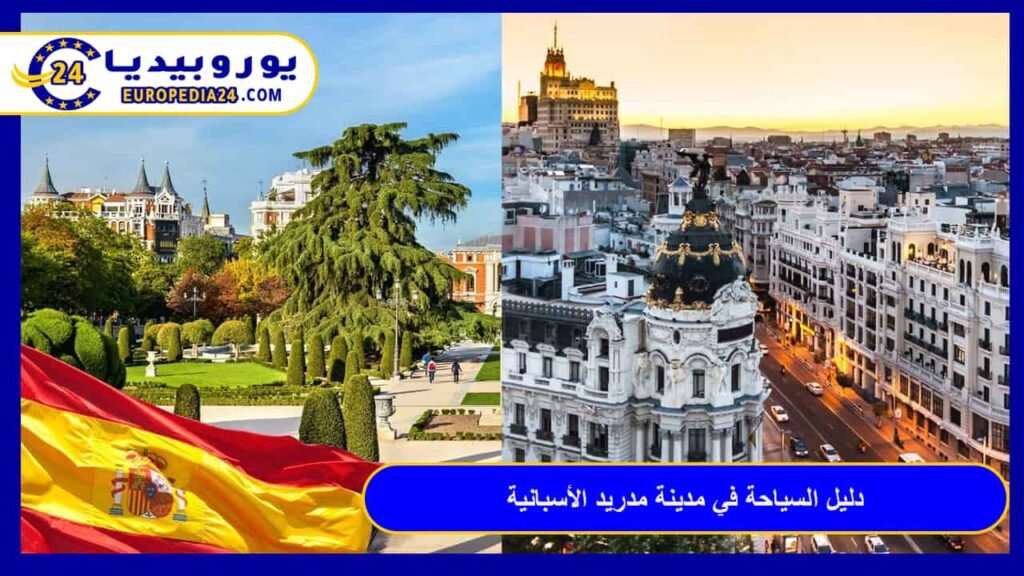
Your visit to Madrid, Spain, would not be complete without exploring its iconic landmarks that tell the story of the former Spanish Empire.
The capital offers a remarkable blend of world-class museums, royal palaces, and historic squares that attract visitors from around the globe. Here are the top attractions you should include in your itinerary:
- Royal Palace of Madrid: The largest architectural landmark in the capital, featuring magnificent Baroque architecture. It houses thousands of royal rooms and historical artifacts that reflect the lives of Spain’s former monarchs, and it is surrounded by the beautiful Sabatini Gardens.
- Plaza Mayor: The city’s most important historic central square, surrounded by traditional buildings with distinctive red balconies. It is home to dozens of cafés and fine restaurants where you can enjoy authentic Spanish cuisine in a lively atmosphere.
- Prado Museum: A world-renowned destination for lovers of classical art, featuring one of Europe’s finest collections of masterpieces by artists such as Diego Velázquez and Francisco Goya.
- Gran Vía: The heart of shopping and modern city life in Madrid, lined with historic high-rise buildings, international stores, and theaters. It is the perfect place for walking and evening shopping.
- Santiago Bernabéu Stadium: A must-visit destination for football fans and supporters of Real Madrid. The stadium offers an advanced guided tour that includes the changing rooms, the trophy museum, and the opportunity to see the historic pitch as of 2026.
Weather and the Best Times to Visit Madrid, Spain
The climate plays a crucial role in determining the success of your trip. Planning a visit to Madrid requires understanding the city’s four seasons to avoid extreme heat or cold weather.



Madrid has a dry continental climate, making the choice of travel season an important factor for enjoying walks through its open squares and public parks comfortably.
- Spring (March to May): Travel experts agree that this is the ideal time to visit the capital. Flowers bloom in the famous Retiro Park, and temperatures are mild and perfect for walking and outdoor activities.
- Autumn (September to November): This is the second-best season to visit, as the city is covered in warm golden colors and tourist crowds begin to decrease, giving you a quieter atmosphere and excellent opportunities for photography.
- Summer and winter: Summers in Madrid are extremely hot and dry, especially during July and August, while winters are cold and dry. If you visit during these seasons, it is recommended to plan more indoor activities, such as visiting museums and air-conditioned attractions.
Comparison of Transportation Options in Madrid, Spain
To make getting around Madrid as easy as possible, we have prepared the following comparison to help you choose the fastest and most cost-effective means of transportation for your trip:
| Available Means of Transportation | Approximate Cost | Main Advantage and Speed | Best Option for Arab Travelers |
| Madrid Metro | Very affordable (multi-ride tickets available) | Extremely fast and avoids traffic congestion | Quick travel between major tourist attractions |
| Hop-On Hop-Off Tourist Buses | Moderately priced | Offers a comprehensive sightseeing tour with audio commentary | Ideal for exploring the entire city on your first day |
| Taxis and Ride-Hailing Apps (Uber / Cabify) | Relatively expensive | Very comfortable and provides door-to-door service | Best for traveling to and from the airport with luggage |
| Walking | Completely free | Allows you to discover hidden historic streets and neighborhoods | Ideal for exploring the city center, Gran Vía, and the main squares |
The Cost of Tourism in Madrid, Spain, in 2026
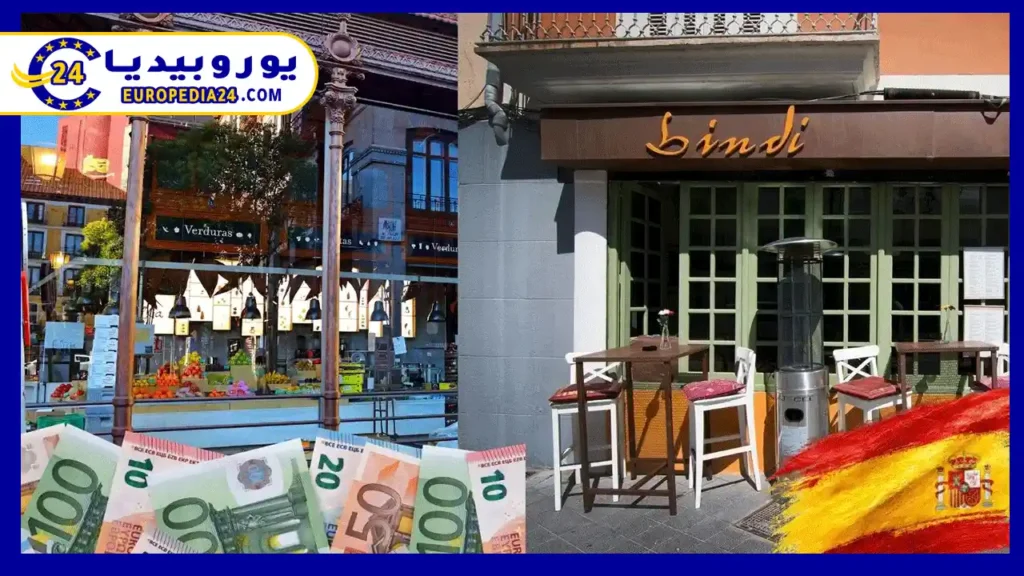
Madrid, Spain, is considered a moderately to relatively expensive destination compared to some other European capitals. However, with smart planning and a flexible budget, you can enjoy everything the city has to offer regardless of your spending limit.
To help you avoid unexpected expenses during your trip, here is an overview of the average daily tourism and living costs in 2026, in euros:
- Accommodation and hotels: A night’s stay in a budget hotel or a mid-range tourist apartment (3-star) typically costs between €70 and €110. Luxury hotels near Gran Vía (4- and 5-star) start at around €160 per night, with prices increasing depending on the season.
- Food and dining: If you mainly eat at local casual restaurants and food markets such as San Miguel Market, you can expect to spend around €15 to €25 per day. A full lunch or dinner at a mid-range restaurant usually costs between €20 and €35 per person.
- Attractions and entertainment: Admission tickets to museums and royal palaces generally range from €15 to €22 per ticket, while stadium tours, such as the Santiago Bernabéu Tour, may cost up to €35.
- Summary Budget Daily: A budget traveler can comfortably explore Madrid on a daily budget of approximately €60 to €80, excluding accommodation. Travelers seeking a more comfortable experience should budget around €120 to €150 per day to cover attractions, quality restaurants, and convenient transportation.
Essential Tips for Arab Travelers Visiting Madrid, Spain
The success of any European trip largely depends on your understanding of local laws and cultural norms to avoid uncomfortable situations.
When traveling to Madrid, Spain, paying attention to small details demonstrates good preparation and travel awareness. These practical tips can save you both time and money while ensuring a safe and enjoyable stay throughout your visit.
- Be cautious of pickpockets in crowded areas: Like any major tourist capital, keep a close eye on your bag and phone in metro stations, around Puerta del Sol, and along Gran Vía.
- Respect siesta hours: Some small local shops and pharmacies outside the main tourist areas may close for a few hours in the afternoon, so plan your visits accordingly.
- Book attraction tickets online in advance: To avoid waiting in long lines for several hours at the Royal Palace or the Prado Museum in 2026, purchase your tickets online before your trip to guarantee faster entry.
- Try the seafood at San Miguel Market: If you are looking for fresh food and an authentic local experience, this historic market is the perfect place to enjoy snacks and excellent seafood. You can also explore the easiest ways to immigrate to Spain if you are considering long-term settlement.
Frequently Asked Questions about Madrid, Spain
Is English enough for getting around and sightseeing in Madrid?
Yes, English is widely spoken in hotels, major restaurants, and the main tourist attractions. However, learning a few simple Spanish greeting words such as “Hola” and “Gracias” creates a friendly impression with locals and shows respect for their culture.
How many days are enough to explore Madrid completely?
The ideal duration for exploring the city and visiting its main attractions without rushing is between 3 and 4 days. This allows you to visit major museums, relax in the parks, and dedicate a full day to shopping and trying Spanish cuisine.
What are the best areas to stay in Madrid?
The city center (Centro), especially around Puerta del Sol and Gran Vía, is the best choice for first-time visitors because of its central location and walkability. The Salamanca district is considered the ideal option for those seeking luxury, tranquility, and high-end shopping.
Smart planning based on a good understanding of the destination is your secret weapon for enjoying every moment in Madrid, Spain, and creating an unforgettable European holiday. If you have an upcoming trip or would like recommendations for hotels that fit your budget, feel free to ask in the comments.
Official sources & references
- Spanish Ministry of Inclusion, Social Security and Migration
- Spanish Ministry of Foreign Affairs — visas
Short answer for search intent
Madrid, Spain, is one of the most attractive tourist destinations in Europe, where the grandeur of royal history blends seamlessly with a vibrant modern cultural scene. In practical terms, this guide helps readers understand the topic in Spain and what should be verified before taking action.
How to use this information with confidence
The value is not only the information itself. It is connecting the information to the next practical step: booking, applying, comparing costs, checking a legal rule or verifying an official source.
Checks before making a decision
- Check the official place or city website for hours, prices and seasonal changes.
- Compare the location with transport and nearby accommodation so the visit does not cost more than expected.
- Use visitor reviews as context, but verify bookings and policies through official channels.
Official and reliable references
Frequently asked questions
Yes. Many practical details can differ by city, institution, route or application type, so verify the source responsible for your exact situation.
Can I rely on this article alone?
The article helps you understand the context and take a more informed step, but it does not replace official guidance or specialist advice for legal, financial or study decisions.
Editorial note: This content was editorially reviewed on July 11, 2026, with clearer search-intent answers, official references and practical verification points added.
This post is also available in:
 العربية