Arab Markets in the Netherlands: Best Shops
The Arab Market is distinguished by the presence of many different stores that provide a variety of products, which are specific to Arab communities in general, in addition to the availability of many restaurants and cafes that serve meals with delicious Arabic flavors.
We will present to you through Europedia 24 europedia24.com what is the Arab Market in the Netherlands and the most famous stores, in addition to the most important activities that you can do, to enjoy the charming atmosphere.
What is the Arab market in the Netherlands?
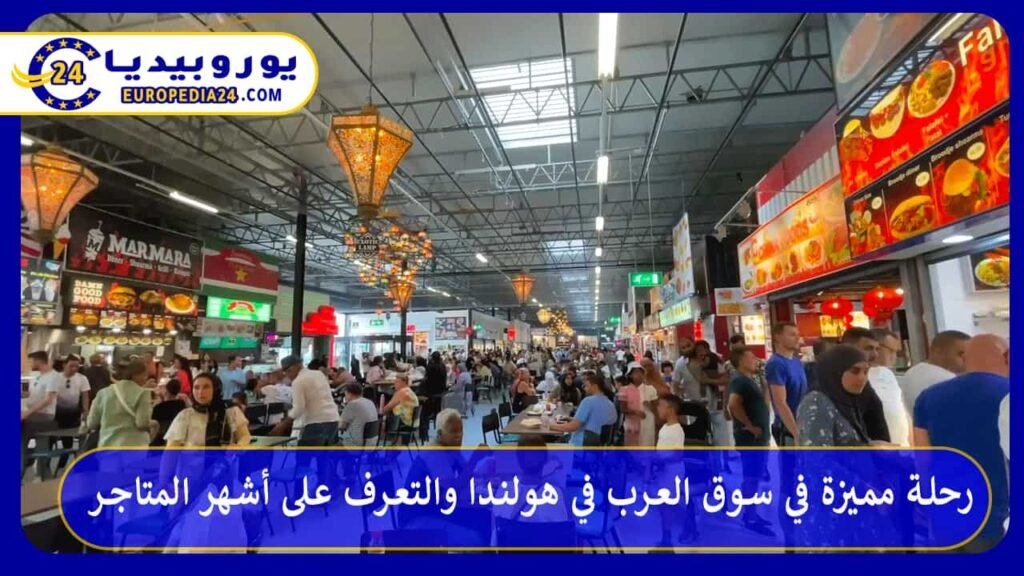
The Arab Market in the Netherlands is also known as De Bazaar and is a gathering of many different shops in addition to restaurants and cafes in one place.
The most important thing that distinguishes this market from other markets in the Netherlands is that it includes many stores, restaurants and cafes that provide the products that Arab communities need in one area, without the need to go to many other areas.
The market is specifically located in the Beverwijk area, which was able to achieve great success, which helped many Arab communities to open various stores within the market and achieve huge profits.


The market began in 1980 with the opening of a bazaar whose goal was to bring together the largest number of cultures in one place, to reflect the nature of life in the Netherlands.
After the opening of the bazaar, about 500 exhibitors applied to open stores in this market, and indeed the market witnessed a large demand from visitors, which contributed to obtaining approval from the Netherlands.
Indeed, people began opening many other sections in the market, including the Eastern Market and the Gold Market in 1984.
Read also – The best Arabic restaurants in Amsterdam offering the most delicious food and drinks
Features of the Arab Market in the Netherlands
The Arab Market in the Netherlands has been able to become one of the most important markets within the country, due to its ability to attract many Arab communities, whether to establish new shops within the market, or for the purpose of shopping, in addition to attracting tourists from all over the world.
The market has many features and services that it provides to all shoppers, which have helped it occupy a very distinguished position compared to other markets. The most important features of the Arab Market in the Netherlands are as follows:
- The Arab market in the Netherlands is considered one of the most important markets in the country.
- The Arab Market is one of the oldest Arab markets in the Netherlands.
- It includes many different shops and stores, including food products, antiques, gold and others.
- There are stores dedicated to electronics and clothing.
- The market includes many diverse Arab restaurants and cafes with discounted prices to suit all categories.
Read also – Learn about The cheapest shopping places in Italy that you can visit
Services available in the Arab market in the Netherlands
The Arab Market in the Netherlands provides many distinguished services to all Arab visitors, which work for their convenience. These services are as follows:
- Security staff to keep visitors safe.
- Cleaners are always available.
- The market is located near the train station, in addition to its proximity to the bus stop.
- There is designated parking.
- Guidance centers that help answer all visitors’ questions and provide them with assistance.
- There are open outdoor dining areas.
- Automated teller machines.
- Pets cannot be brought.
- There are designated parking spaces for bicycles.
- Wheelchairs can be reserved for EUR 50 in advance.
- There is a fee to enter the bathrooms of about 20 cents.
- There is a first aid office in Hall 28.
Read also – Get to know the most famous and The best shopping centers in Luxembourg
The most important stores in the Arab market in the Netherlands
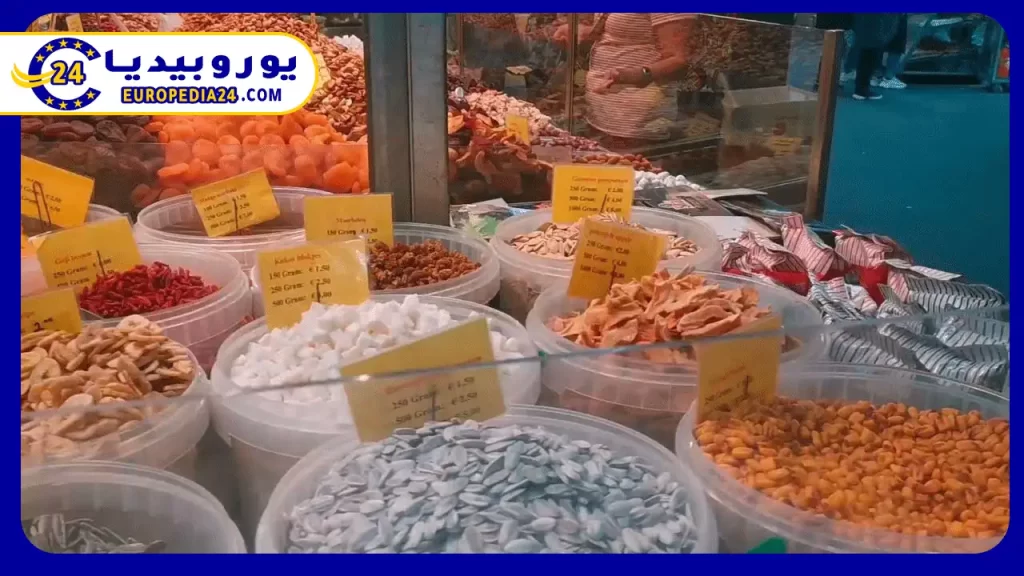
The Arab Market inside the Netherlands includes many different and diverse types of stores that offer many products that Arab visitors need. These stores are as follows:
- Clothing stores.
- Stores specializing in selling food products.
- Stores specializing in selling industrial products.
- Restaurants.
- Antique stores.
- Specialized stores that sell electronic parts.
- Carpet stores.
- Stores selling mobile phone accessories.
- Housewares stores.
- Barber shops.
- Vegetable and fruit stores.
If you want to go to the most famous Arab stores in the Arab Market in the Netherlands to buy everything you want, you can check out these stores:
- Al-Iman Store: offers many oriental and Arabic products with excellent quality and good prices, in addition to all employees speaking Arabic.
- Asia Food Amsterdam: It offers distinctive fruits and vegetables in the Arab world, in addition to having a section dedicated to spices.
- Genco Versmarkt: It offers many types of fruits and vegetables, and a lot of wonderful Arabic and oriental cuisine.
- Albert Heijn Supermarket: It offers many gluten-free, lactose-free and vegetarian products, in addition to providing all kinds of spices, vegetables, fruits, etc.
- Ankara Market: offers the finest types of olive oil, in addition to famous Arabic sweets, including baklava and others.
Read also – Arab Street in Leipzig And the most important and famous restaurants
Arab Market Sections in the Netherlands
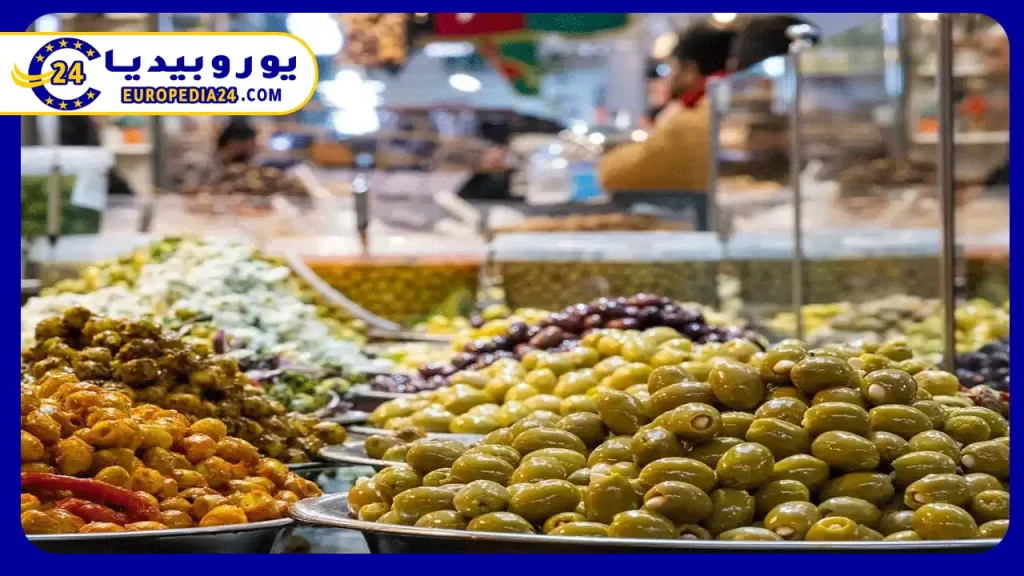
We also explained that the Arab Market includes many different stores and stores, but in general it has been divided into several internal markets to make things easier for visitors, which are as follows:
- Market Zwarte Markt: This market includes many cafes and live music venues, in addition to being characterized by prices suitable for all categories.
- Market Oosterse Markt: This market offers fresh vegetables as well as spices, meat and baked goods, as well as exhibits dedicated to oriental carpets.
- The Grand Bazaar: is a combination of the black market and the oriental market, where you will find all the fashion trends, as well as cosmetics and household supplies.
- Computer Market: The computer market provides many devices, whether new or used, at very special prices.
- Floin Market: It is located in the second and third halls of the bazaar, and everything that is sold in this market are used products.
- Food market: includes many different restaurants that serve various meals from Arab cuisine, including Iraq, India, and Morocco, in addition to selling pastries, pies, and ice cream.
- Merchandise Market: In this market you will find everything you are looking for, whether party clothes, leather jackets, cosmetics, tattoos, in addition to bags, socks, children’s clothes, etc., furniture and jewelry.
Read also – An enchanting trip on Arab Street in Frankfurt
Working hours for Arab Market in the Netherlands
The Arab Market in the Netherlands opens its doors on Fridays, Saturdays and Sundays, as Friday was added in order to reduce crowding.
The market starts its work on Saturday and Sunday from eight-thirty in the morning until six in the evening, and on Friday it starts working from ten in the morning until ten in the evening.
The market witnesses great demand throughout the 3 days designated for the market’s operation, as Arab communities from all over the world come to buy all the products they want.
Read also – Arab Street in Hamburg And the best activities you can do
Dutch Arab Market entry fees
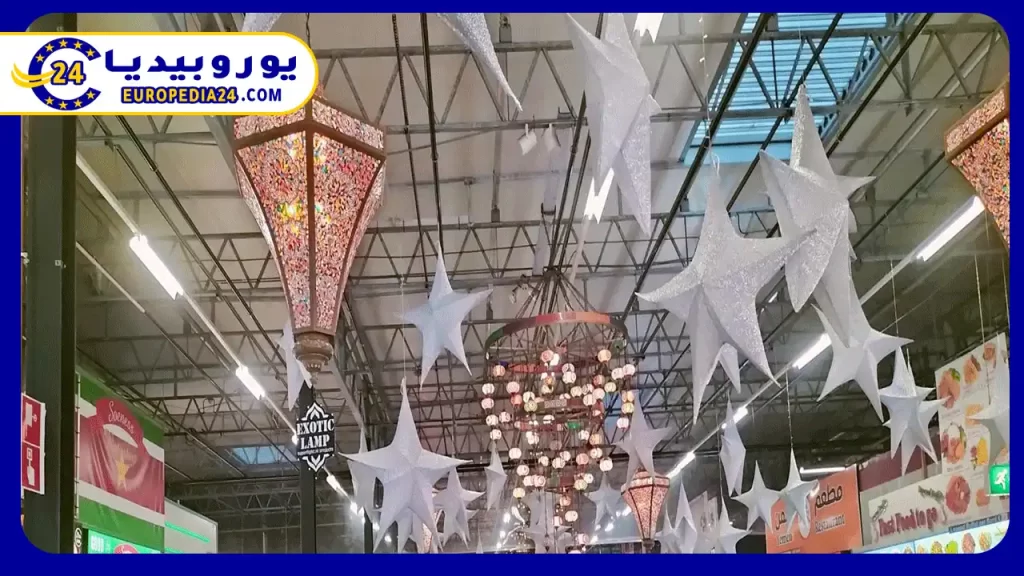
The cost of entering all the market halls in the bazaar is 2 euros, so you can enter and leave the market whenever you want on the same day with the same ticket.
If you bring children under the age of 13, they can enter Souq Al Arab for free without incurring any expenses at all.
Read also – A trip in Düsseldorf, Germany The capital of fashion and shopping
Frequently asked questions about Arab Market in the Netherlands
Where is Arab Market located in the Netherlands?
The Arab Market is located in the Beverwijk area in the Netherlands, where it opens its doors on Fridays, Saturdays and Sundays to receive all visitors.
What are the fees for entering the Arab market inside the Netherlands?
You can pay about 2 euros to enter Souk Al Arab, with the ability to enter and exit throughout the day without incurring new ticket fees, but in the case of children aged 13 years, they will enter for free.
A concise answer based on search intent
The Arab Market in the Netherlands is very famous both within the country and internationally, as it attracts many tourists from all over the world. In summary: This guide helps you understand the topic in the Netherlands, explaining what to check before making a practical decision.
How to use this information with confidence
The value here is not only in displaying information, but in linking it to an actionable step: Do you need to make a reservation, submit an order, compare a cost, review a legal requirement, or confirm with an official body? So we added verification points and direct sources that reduce the possibility of error.
Checks to make before deciding
- Check the official website of the place or city for opening hours, prices and seasonal changes.
- Compare the location with transportation and nearby housing so that the cost of the visit is not higher than expected.
- Use guest reviews as a helpful signal, but check reservations and policies from official channels.
Official sources and trusted references
Frequently asked questions
Do the details differ within the Netherlands from one city or destination to another?
Yes, many practical details may differ depending on the city, institution, or type of request, so you must refer to the source responsible for your specific case.
Can you rely on this article alone?
The article helps you understand the picture and take a more conscious step, but it does not replace the official source or specialized advice if the decision is legal, financial, or academic.
Editorial note: This content was editorially revised on July 11, 2026 to add a clearer answer to the researcher’s intent, authoritative sources, and practical checkpoints that enhance trust and expertise.
This post is also available in:
 العربية