Learn about the types of transportation in Spain
This diversity makes it easier to travel between different Spanish cities by choosing the appropriate mode of transportation, whether by bus, metro, or many other available options.
Through Europedia 24, we will provide you with the most important and best types of transportation that you can use to move freely between cities in Spain.
The best types of transportation in Spain
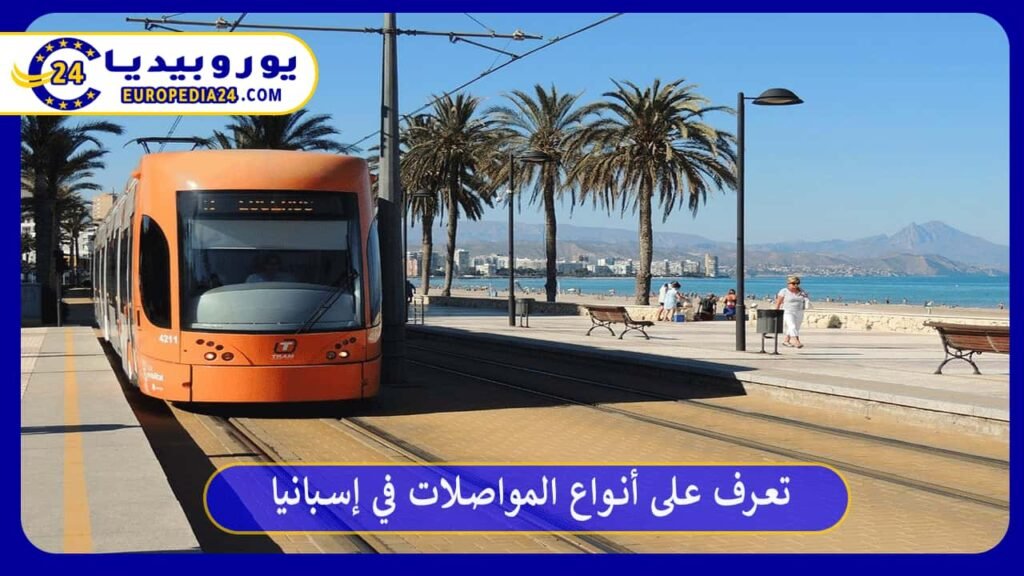
Spain has many different types of transportation options to suit all citizens and give them the freedom to choose the most suitable way to reach their intended destination in the fastest time and at the lowest cost. These means include the following:
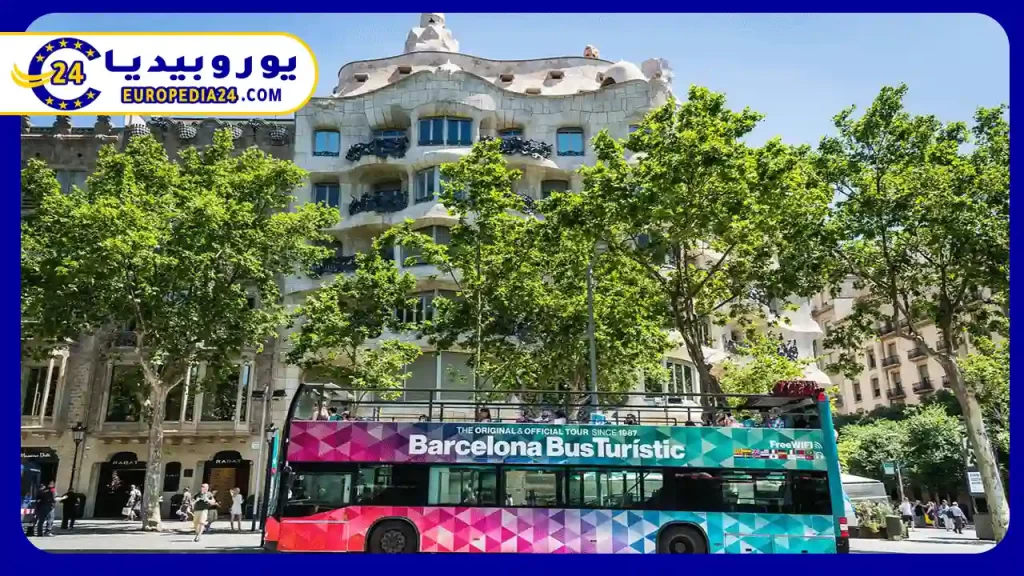
Bus
Spain has dedicated bus stations that can be found throughout all Spanish cities, in addition to having a specific schedule for bus times in each city.
There are many different buses available that travel to various destinations within Spanish cities from 12:00 PM to 5:30 PM, making them one of the best types of transportation in Spain.



Train
The country has many different types of trains, which are considered among the best types of transportation in Spain. One of these types is the AVE train, which belongs to the luxury category and is characterized by its fast movement between cities.
The AVE train directly connects the city of Madrid with Seville and the city of Barcelona with Real Madrid. It is considered one of the best and most reliable types of trains for long distances between major cities.
There is also the Automotor train, which is considered one of the cheapest types of trains available in Spain. It serves as a regional service that stops at many different stations along several cities.
The cities that this train passes through include Valencia, Terrassa, Elche, and Gijón, as well as Oviedo, Vigo, Seville, Alcalá de Henares, Córdoba, Barcelona, Madrid, Granada, and many other Spanish cities.
There is also Euromed, which is a railway service that is slightly slower than the high-speed train and connects many destinations along the Spanish Mediterranean coast.
Read also – Learn about the tourist map of Spain, its borders, and the most important cities
Air transportation
The types of transportation in Spain are not limited to land-based means only, but also include air transportation, as Spain has around 30 international airports.
Barajas and El Prat airports are considered among the largest airports in Spain. They offer many direct flights to and from Alicante, in addition to being among the airports that provide some of the most affordable flight options.
There are many airlines operating in Spain, including Qatar Airways, Etihad Airways, Emirates Airlines, Saudi Airlines, and Turkish Airlines, which connects Málaga through a single route.
Bicycles
Bicycles are also considered one of the popular means of transportation in Spain, but they cannot be relied upon to reach different or distant places, as they can only be used within narrow streets.
You can also use bicycles on the dedicated cycling paths available near rivers or public parks. As for narrow streets, you will find them in the city of Madrid.
You can easily get these bicycles by renting them from specialized places, whether you choose a regular bicycle or an electric one, in addition to the possibility of joining some sightseeing tours.
Taxis
Taxis are considered one of the easiest types of transportation in Spain that you can use due to their availability in all cities. However, you should be careful of drivers who prefer taking longer or more crowded routes in order to increase the fare.
Of course, you can also rent a private car and drive it yourself, but this can be somewhat tiring due to the narrow streets in some areas of Spain and the traffic congestion. Therefore, it is better to choose from the many different types of transportation available in Spain.
Fuente Dé Cable Car
The Fuente Dé Cable Car cannot be relied upon as a primary means of transportation in Spain, as it is considered more of an entertainment attraction.
You can use the Fuente Dé Cable Car to travel above the Picos de Europa National Park and enjoy the natural landscapes inside the park. It is located at an altitude of up to 753 meters, while its speed reaches 10 meters per second.
The cable car extends over a distance of 1,450 meters and is suitable for family gatherings or groups in general, such as friends, in addition to being suitable for children.
Read also – Learn how to obtain permanent residence in Spain
The best means of transportation in the capital Madrid
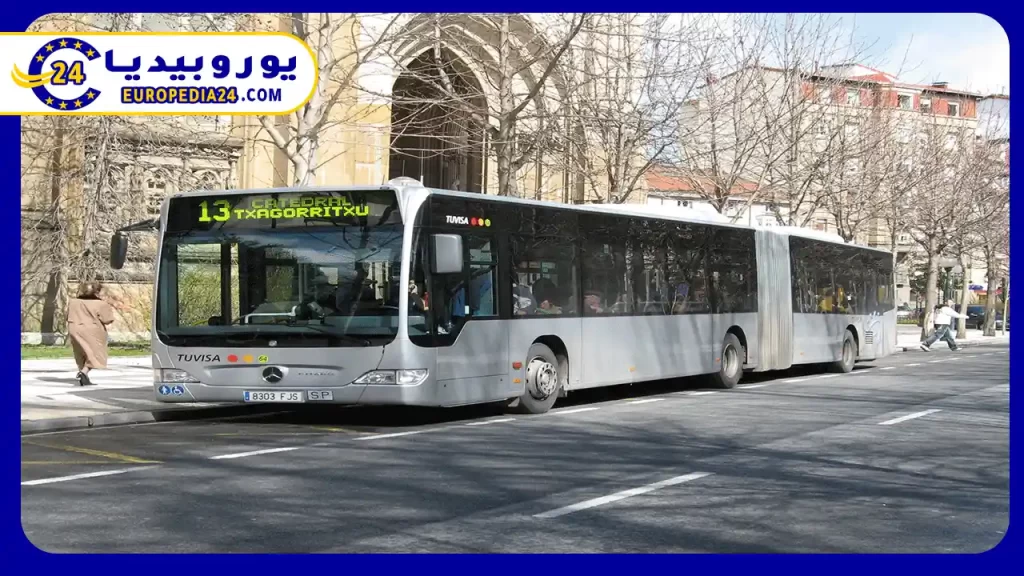
If you live in Madrid, the Spanish capital and one of the most important and largest cities in the country, you should know the cost of transportation in Spain as well as the types available within the city in order to choose what suits you best. These types include the following:
Metro
Madrid has public transportation networks that are considered among the best in the world. It also ranks as the second-largest metro network in Europe after London.
The metro network consists of around 12 lines and 301 stations, providing you with the ability to reach different areas of Madrid as quickly as possible.
The metro is also characterized as a safe and clean means of transportation. It operates from 6:00 AM until 1:30 AM after midnight, with trains available every 15 minutes. You can book tickets and check schedules through this link.
Taxis
Taxis in Madrid are known for their white color with a red stripe, in addition to the Madrid emblem displayed on the front door of the car.
To get a taxi from the public road, you must make sure that the car’s sign is illuminated in green, which means that it is available.
You can request taxis in Madrid by using the MyTaxi application.
Buses in Madrid
You can rely on the famous Madrid Vision bus inside the city to move between various important tourist attractions in Spain. The bus consists of two floors, and there are three types available as follows:
- Madrid Histórico, which is dedicated to historical sites.
- Madrid Moderno, which is for new tourist attractions.
- Madrid Monumental, which is dedicated to the most important buildings in Madrid.
Read also – Learn how to obtain Spanish citizenship
Cercanías Train
The Cercanías train is considered one of the most important trains in Madrid, connecting the city with its suburbs. Most train stations in central Madrid also have metro connections.
These trains operate daily from 6:00 AM to 11:00 PM, with a new train available every 10 to 30 minutes.
You can obtain tickets through the electronic machines available inside any train station.
Read also – What are the conditions and advantages of studying in Spain
Frequently Asked Questions about Transportation in Spain
How can you get around in Barcelona?
There are many ways that help you move around Barcelona, including metro lines, trains, buses, trams, and cable cars.
How do you use the metro in Barcelona?
The metro is considered an easy and fast means of transportation that can be relied on in Barcelona. Of course, you can purchase tickets through the ticket offices at any metro station.
Are there many and affordable means of transportation in Spain?
Of course, there are many types of transportation in Spain that you can rely on, which suit all your needs and preferences. There are also cheaper options, whether by buses, trams, or other means.
Short Answer Based on Search Intent
Transportation options in Spain vary to suit the different needs and preferences of citizens, helping them reach their desired destinations as quickly as possible while providing all means of comfort. In short: This guide helps you understand the topic in Spain while explaining what should be verified before making a practical decision.
How do you use this information with confidence?
The value here is not only in presenting information, but in linking it to an actionable step: Do you need to make a reservation, submit an application, compare costs, review a legal requirement, or verify an official authority? Therefore, we have added verification points and direct sources that reduce the chances of errors.
Verification points before making a decision
- Check the operating authority before purchasing a ticket or changing your travel plan.
- In cases of bad weather or strikes, follow the official updates on the day of the trip itself.
- Make sure of the ticket validity range, operating schedules, and refund policy.
Official Sources and Reliable References
Frequently Asked Questions
Do the details differ within Spain from one city or region to another?
Yes, many practical details may differ depending on the city, institution, or type of application, so you should refer to the authority responsible for your specific case.
Can the article be relied on alone?
The article helps you understand the overall picture and make a more informed step, but it does not replace official sources or specialized consultation if the decision is legal, financial, or academic.
Editorial note: This content was editorially reviewed on July 11, 2026, to add a clearer answer to the researcher’s intent, official sources, and practical verification points that enhance trust and expertise.
This post is also available in:
 العربية