Best Cities in Germany for Families
Germany has 80 different cities, some of which are suitable for stability, others for work, and one for families, so the purpose of staying in Germany and the nature of your needs will help you choose the best city.
Best Cities to Live in Germany

The best cities to live in and settle in Germany are:
- Frankfurt am Main: Although it is the second most expensive city to live in Germany, it is considered one of the best cities open to different cultures, and even the fifth largest in Germany, and it is strategically located as it is surrounded by vineyards along the Rhine River.
- Aachen City: It is one of the cheapest cities in Germany that you can live in, and it is famous as a student city, due to its most prestigious engineering universities, known as RWTH.
- Hamburg City: It is famous as a coastal city and is the second largest city in Germany, and it is also characterized by architecture, and it is one of the best cities to live in Germany.
Best Cities to Live in Germany for Families
Munich is one of the best cities to live in Germany for families, as it contains many diverse services that families want to get, as well as providing many job opportunities and quality education.
Munich is followed by Stuttgart, followed by Hamburg as Germany’s best cities to live in.
However, the disadvantage of living in Munich is that the cost of living is significantly higher compared to the rest of the best cities to live in Germany.



So, you can settle in the towns around Munich, which are represented in the following:
- Heimstitten and Kirchheim are in the east.
- Forstenfeldbrück and Germering in the west.
- Herring in the South.
- Dachau, Feldmösching, Erdij, Freeman, Garsching, Freising, Oberschleisheim in the north.
Cheapest Cities to Live in Germany
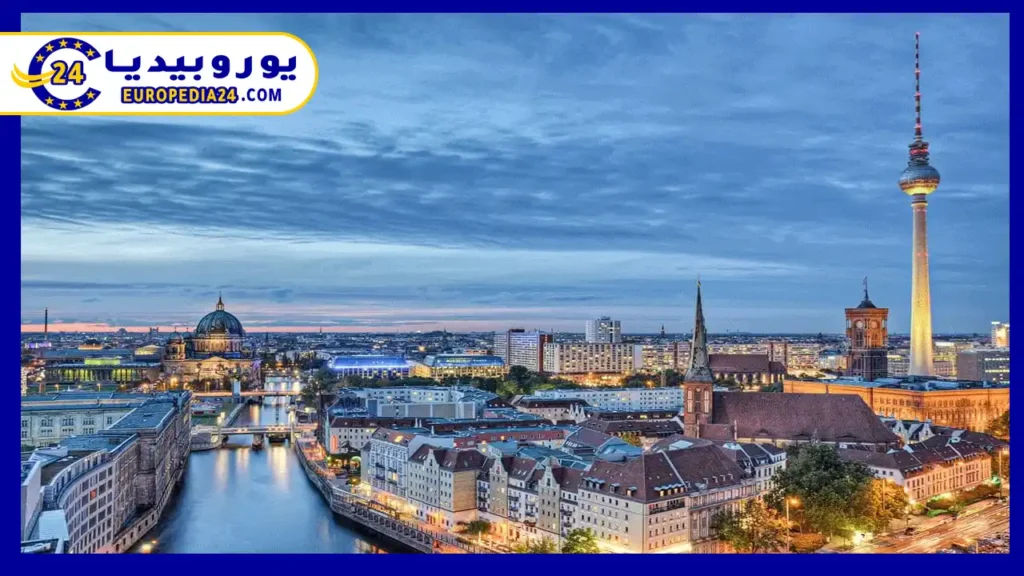
If you can’t adapt to Munich or other cities to live in, due to the high cost of living, you can resort to the cheapest cities to live in Germany, which are the following:
- The city of Aachen.
- Leipzig City.
- The city of Bremen.
Monthly living costs vary from person to person and city to city, depending on the nature of each person’s needs, but you can calculate the costs accurately using the following estimates:
- Calculating the cost of living in Aachen.
- Calculating the cost of living in Leipzig.
- Calculating the cost of living in Bremen.
The Most Expensive Cities to Live in Germany
There are some cities in Germany that are considered one of the best cities to live in, and they are also among the most expensive cities that are characterized by the high cost of living, which are:
- The city of Munich.
- Frankfurt.
- Hamburg.
The cost of living varies from person to person based on their needs, but you can estimate the cost of living in these cities by using these estimates:
- Calculating the cost of living in Munich.
- Calculating the cost of living in Frankfurt.
- Calculating the cost of living in Hamburg.
Best Cities in Germany to Work

If you want to find a good job and are not fluent in German, you can go to Germany’s best cities to work that offer a lot of jobs for English speakers.
The best cities in Germany to work in are the following:
- City of Düsseldorf: The city is the most suitable for holidays and enjoying the wonderful atmosphere, in addition to being home to many startups that provide many job opportunities that suit everyone and in English.
- City of Munich: Although it has a lot of good job opportunities for English speakers and high salaries, it is characterized by a high cost of living, and it is one of the highest cities in Germany to live in.
- City of Berlin: Berlin is one of the best cities in Germany to work in, as it has a lot of small businesses, as well as easy to find a small apartment to save on living costs.
Frequently Asked Questions on the Best Cities to Live in Germany
What are the best cities to live in Germany?
The cities of Aachen, Frankfurt am Main, and Hamburg are among the best cities to live in Germany, both for their low cost of living, and for the many diverse services available.
What are the best cities to live in Germany for families?
Munich is the best city to live in for families in Germany, but its disadvantage is that the cost of living in it is high compared to other cities in Germany.
Short answer according to research intention
Many people are looking for the best cities to live in Germany, especially if they want to settle in the country and start a new life. In short: start with the admission requirement, language, and funding, then check the details of the university or program before arranging travel or paying any fees.
Who benefits from this guide?
This content is aimed at Arab students and those planning to study or train in Germany. Therefore, checkpoints have been added that help you turn information into a practical decision while reducing the risk of relying on general or outdated information.
Before you rely on the information
- Compare the admission requirements in the essay with the university page or DAAD, as the requirements vary by program and state.
- See the actual cost: Semester fees, health insurance, housing, and proof of financing calculation, if applicable.
- Keep the application dates and required documents in one list so you don’t miss an important appointment.
Official Sources and Reliable References
Frequently Asked Questions
Do the details vary from German state to state?
Yes, in subjects such as study, work, housing, and local services, details may vary by state or city, so you should consult the responsible party in the target location.
Does this article replace the official source?
No. The article explains the image and gathers important checkpoints, but does not replace official websites or specialist advice when there is a direct legal or financial impact.
Editorial Note: This content was edited on July 11, 2026 to add a clearer answer to the researcher’s intent, official sources, and practical checkpoints that enhance trust and expertise.
This post is also available in:
 العربية
  简体中文
简体中文  Hrvatski
  Nederlands
  Suomi
Suomi  Français
  Deutsch
  Íslenska
  Gaeilge
  Italiano
  日本語
日本語  한국어
한국어  Polski
  Română
  Русский
  Español
  Türkçe