Types of Taxes in the Netherlands and How to Reduce Them
Taxes contribute to financing various projects within the Netherlands, thus providing all the services that citizens need, including infrastructure, health care, and others.
Of course, the nature of the taxes imposed varies from one person to another and from one company to another, based on the nature of income and field of work.
Taxes in the Netherlands

Taxes in the Netherlands are amounts of money imposed on individuals and companies, with the aim of collecting them to help finance various projects that provide various services to citizens.
The amount of tax imposed on either the individual or the company varies based on the size of the company’s income and profits, in addition to the nature of the business.
Therefore, Dutch laws determine the nature of the taxes imposed on each party within the framework of the three main types within the country.



Read also – What is Tax law in Germany?
Types of taxes in the Netherlands
There are three main types of taxes in the Netherlands: direct and indirect taxes, in addition to local taxes.
Direct taxes in the Netherlands
They are taxes imposed on income and assets, whether individuals or companies, and therefore they include many other internal types, which are as follows:
- Income tax in the Netherlands: It is a tax imposed on the income of individuals and companies, whether from work or investment. It is determined based on the amount of income, and for individuals it ranges between 37.10% and 49.50%.
- Corporate tax in the Netherlands: This tax is imposed on corporate profits, amounting to about 25%.
- Property tax: It is imposed on the value of real estate owned by individuals and companies, and its rate ranges between 0.02% and 0.60%.
- Inheritance tax: It is imposed on the value of the property that is inherited, and its rate ranges between 10% and 40% of the value of the property.
- Capital gains tax: It is imposed on profits made from the sale of stocks, real estate, and bonds, and the rate ranges between 15% and 49.50%.
Read also – Tax-free shopping for tourists in Spain And how to get it
Indirect taxes in the Netherlands
They are taxes that are imposed on goods and services provided in the country, and therefore vary based on the type of goods or service required, but they are in the following forms:
- Value Added Tax: is imposed on the value of goods and services, whether purchased or sold, and its rate reaches about 21%. It should be noted that the buyer is primarily responsible for paying the tax, and in some cases the seller is responsible.
- Fuel tax: is imposed on fuel used in cars, trucks and buses, which is estimated at approximately 71.2% of the price of fuel.
- Cigarette tax: is a tax imposed on cigarettes, which is estimated at approximately 72% of the price of the package.
- Transport tax: It is imposed on public transport and highways, and amounts to approximately 21% of the ticket or subscription price.
Local taxes in the Netherlands
These are taxes imposed by provinces and municipalities in the Netherlands on public services received by citizens within this particular province or municipality.
Therefore, the value of the specific taxes on these services varies from one province to another, based on the type of service itself, and the taxes are represented in the following forms and types:
- Sewer Tax: is for the use of sewer services only within the county.
- Water tax: A tax charged when tap water is used.
- Real estate tax: A tax imposed on real estate owned by either companies or individuals, and its rate ranges between 0.02% and 0.60% of the property value.
- Entertainment tax: is imposed on entertainment services, including, for example, theaters and concerts, in addition to cinemas.
Read also – Learn how to Recover taxes in Germany with ease
Value added tax in the Netherlands
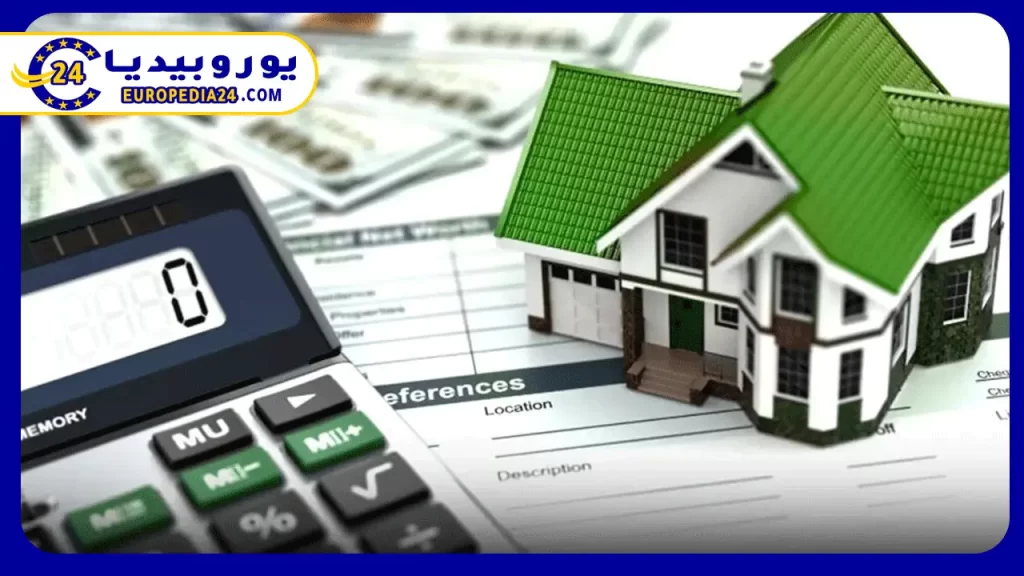
Value-added tax plays a major importance in the country’s economy, in addition to being considered one of the most important types of taxes in the Netherlands in general, as it is part of the types of indirect taxes imposed on goods and services in the country.
Due to the importance of this type of tax in the Netherlands, it constitutes about 30% of the total tax revenues in the Netherlands.
VAT is imposed on the value of goods and services within the country, whether sold or purchased, in addition to imported goods and services.
The value-added tax rate in the Netherlands is 21%, but there are some other goods with a lower tax rate, such as medicines, for example, which reach 6%, and also books and newspapers, which reach 9%.
The most important goods and services that are subject to value-added tax in the Netherlands are the following:
- Cars.
- Food and drinks.
- Furniture.
- Clothes.
- Public services, including health care, education, and others.
It should also be noted that there are some goods and services that are not subject to value-added tax in the Netherlands, which are as follows:
- Cultural and educational services, including museums and schools.
- Financial services, including finance and insurance.
- Medical services, including purchasing medicines.
- Public services, including electricity and water.
Read also – Learn about Goods taxes in Spain What is its percentage?
How to recover VAT in the Netherlands
The Dutch authorities are constantly keen to provide comfort for all citizens. Although taxes are imposed in the Netherlands, for the purpose of providing services and financing public projects, they aim to make it easier for citizens as well.
Every citizen can simply recover the value of the added tax on goods and services, but on the condition that these goods or services are for his business and not for his person.
Here you can apply for a VAT refund on the specified goods at the Dutch Tax Authority , and then wait for the application to be reviewed, approved, and refunded again.
Read also – What is Tax number in Germany and how to get it?
Tax payment deadlines in the Netherlands
We also explained that each type of tax in the Netherlands has a specific value, which is determined based on the type of business or goods and services used.
Regardless of the difference in value, there are specific dates that must be adhered to in order to pay the value of taxes in the Netherlands, which are also determined based on the type of tax, which are as follows:
- Income tax is paid from March 1 to April 1.
- Corporate tax is paid on 31 December.
- Pay value added tax monthly or quarterly.
- Local taxes are paid within a period not exceeding 30 days from the date of their issuance.
Read also – Learn about the best investment in Germany and what are its conditions?
Tips to reduce taxes in the Netherlands
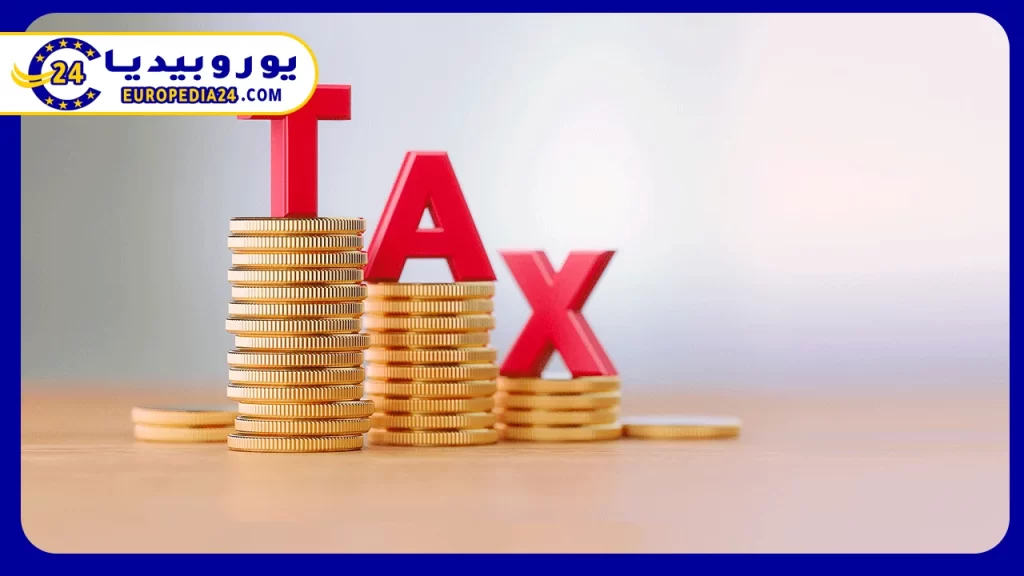
Although taxes are one of the basic matters that are imposed on individuals or companies in the country, there are some ways that can help you reduce these amounts.
We will provide you with some tips and methods that contribute to reducing the required amount of taxes in the Netherlands, through the following:
- Relying on tax techniques that help reduce tax obligations, including, for example, donating some works of art and others.
- Investing in savings and retirement plans that significantly help reduce the amount of taxes required.
- Relying on obtaining tax deductions in the Netherlands, including health care expenses or deductions for charitable work or education, etc.
- Make sure to prepare accurate records of all your financial transactions, so that you can easily request a tax refund or obtain the tax deductions offered by the Netherlands.
Read also – Get to know the best Project ideas in Liechtenstein
FAQ about taxes in the Netherlands
What are the types of taxes in the Netherlands?
There are 3 main types of Dutch taxes: direct and indirect taxes, in addition to local taxes, and therefore the value of taxes varies depending on their type.
Can the added tax be refunded in the Netherlands?
Of course, you can recover the value of the added tax in the Netherlands with ease, but on the condition that the goods and services obtained are for the benefit of the person’s business. In this case, you can apply to the Tax Authority in the Netherlands to recover your money.
A concise answer based on search intent
Taxes in the Netherlands are divided into three main types that the government imposes on individuals and companies, as they play a very important role in the economy. In summary: This guide helps you understand the topic in the Netherlands, explaining what to check before making a practical decision.
How to use this information with confidence
The value here is not only in displaying information, but in linking it to an actionable step: Do you need to make a reservation, submit an order, compare a cost, review a legal requirement, or confirm with an official body? So we added verification points and direct sources that reduce the possibility of error.
Checks to make before deciding
- Separate the general numbers from what applies to you by income, city, and type of residence.
- Check taxes, support or insurance from the official body before making a financial decision.
- Keep documents and invoices if it is a claim, deduction or compensation.
Official sources and trusted references
Frequently asked questions
Do the details differ within the Netherlands from one city or destination to another?
Yes, many practical details may differ depending on the city, institution, or type of request, so you must refer to the source responsible for your specific case.
Can you rely on this article alone?
The article helps you understand the picture and take a more conscious step, but it does not replace the official source or specialized advice if the decision is legal, financial, or academic.
Editorial note: This content was editorially revised on July 11, 2026 to add a clearer answer to the researcher’s intent, authoritative sources, and practical checkpoints that enhance trust and expertise.
This post is also available in:
 العربية